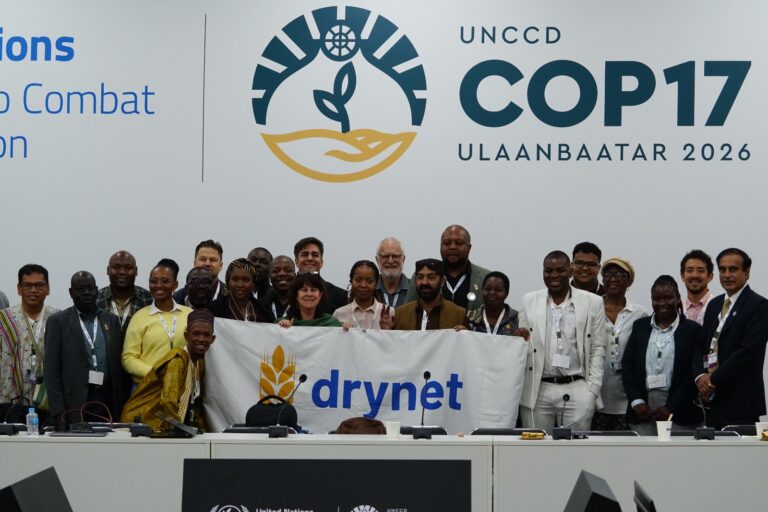
17 key messages emerged after a consultative participatory online process with more than 150 CSO representatives ahead of CRIC23. These messages unite civil society, youth, indigenous peoples and local communities’
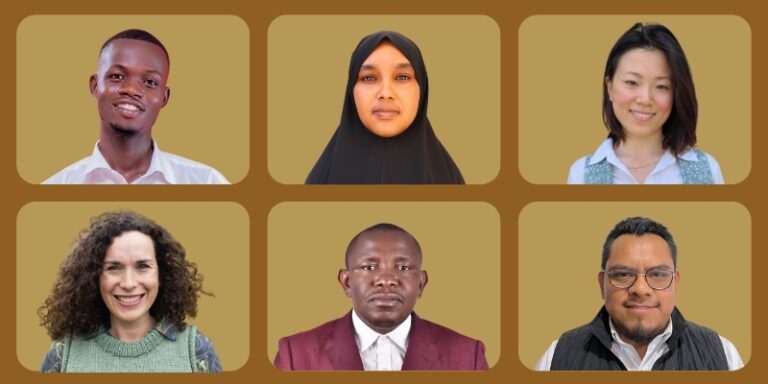
The UNCCD Secretariat has announced the selection of Ana di Pangracio (FARN, Argentina) as the alternate CSO observer at the UNCCD Science – Policy Interface (SPI) until COP17. Drynet extends
This article was contributed by Drynet member ENDA in Senegal Senegal’s mangrove forests constitute an ecosystem of inestimable value for biodiversity conservation and the resilience of local communities. However, they
By Noel Oettle (Drynet Coordinator) The UNCCD recognises the value of the experiences, views and contributions of civil society and provides unique opportunities for observers from NGOs to contribute to
By Marioldy Sanchez Santivañez (AIDER, Peru) Many of us are currently preparing to travel to Panama to participate in CRIC23. CRIC refers to the Committee for the Review of the
By Emmanuel Seck (Enda Energie, Senegal) The UNCCD is guided by its 2018–2030 Strategic Framework. However, as the global environmental crisis unfolds, the UNCCD and its Parties intend to draw
UNCCD CRIC23 marks the first time a dedicated Gender Caucus is included in the official agenda. As a result, gender will feature prominently throughout the programme, with specific sessions focused
Drynet regularly hosts and features events, workshops, and webinars related to sustainable land management, UNCCD processes, and capacity strengthening for civil society organisations.
Individuals or partner organisations should contact the Drynet secretariat directly through the “Contact” page with relevant drylands-focused event details for consideration.
Many articles feature UNCCD-related topics, including updates on the Conference of the Parties (COP), CRIC meetings, and policy positions related to sustainable land management efforts. However, articles also feature community-based and nature-based approaches that successfully combat land degradation, deforestation and desertification.