By Maedeh Salimi, CENESTA, Iran
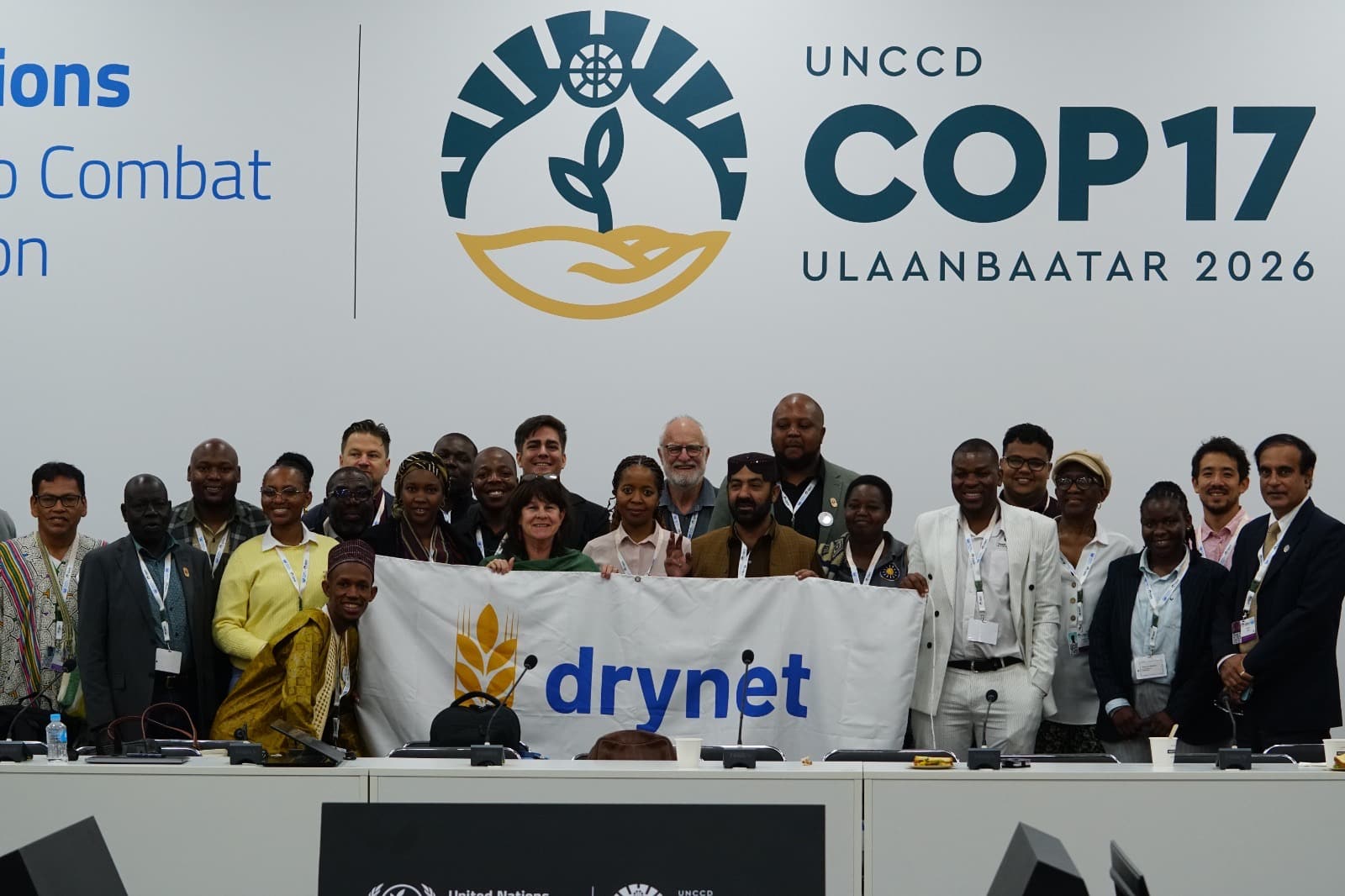
Maedeh Salimi from CENESTA in Iran joined the Silk Road Caravan as it travelled through Kazakhstan. The journey symbolically links UNCCD COP16 in Riyadh with COP17 in Ulaanbaatar. It started in Erzurum, Türkiye in May 2026 and continues across Eurasia arriving in Mongolia for COP17, carrying experiences and important messages gathered along the route.
For centuries, the Silk Road connected cultures and societies across Eurasia through the movement of people, animals, seeds, goods, knowledge and ideas. In 2026, the Silk Road Caravan draws on this history not simply to retrace an ancient route, but to reconnect lands and communities around an urgent concern: the future of rangelands, pastoralism and pastoralist ways of life.
Organised during the International Year of Rangelands and Pastoralists 2026, the Caravan seeks to bring these landscapes and communities more clearly into public and political discussion. Rangelands and pastoral systems contribute to food production, biodiversity, water regulation, climate resilience and the livelihoods of rural, nomadic and Indigenous communities. Yet they remain underrepresented in policy, investment and development planning. By creating dialogue among pastoralists, researchers, institutions and local communities, the Caravan brings together lived experience, local knowledge and scientific perspectives.
The journey symbolically links UNCCD COP16 in Riyadh with COP17 in Ulaanbaatar. It began in Erzurum, Türkiye in May 2026 and continues across Eurasia towards Mongolia, carrying the experiences and messages gathered along the route.
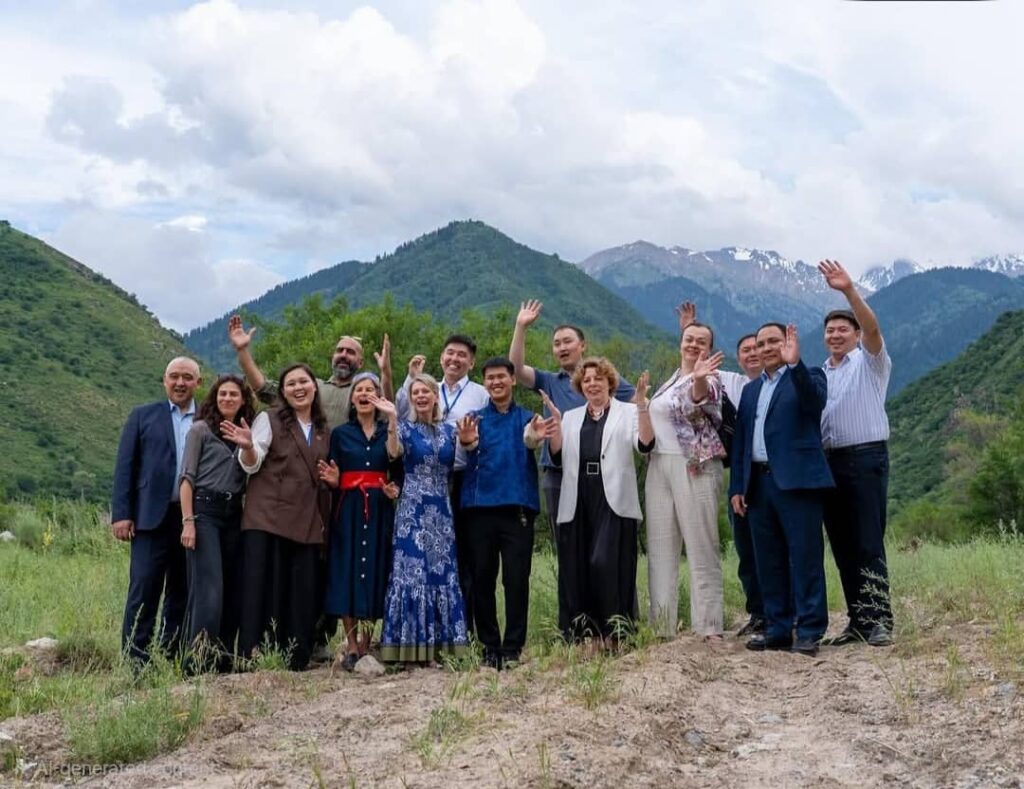
I joined the Kazakhstan part of the journey from 8 to 14 June, beginning at the border as the group crossed from Uzbekistan. From there, we travelled through Turkistan towards Almaty with members of the UNCCD team, representatives of pastoralist communities, researchers, organisations working on rangelands and pastoralism, and our hosts in Kazakhstan. Travelling together created space for presentations, field visits, conversations and shared observations.
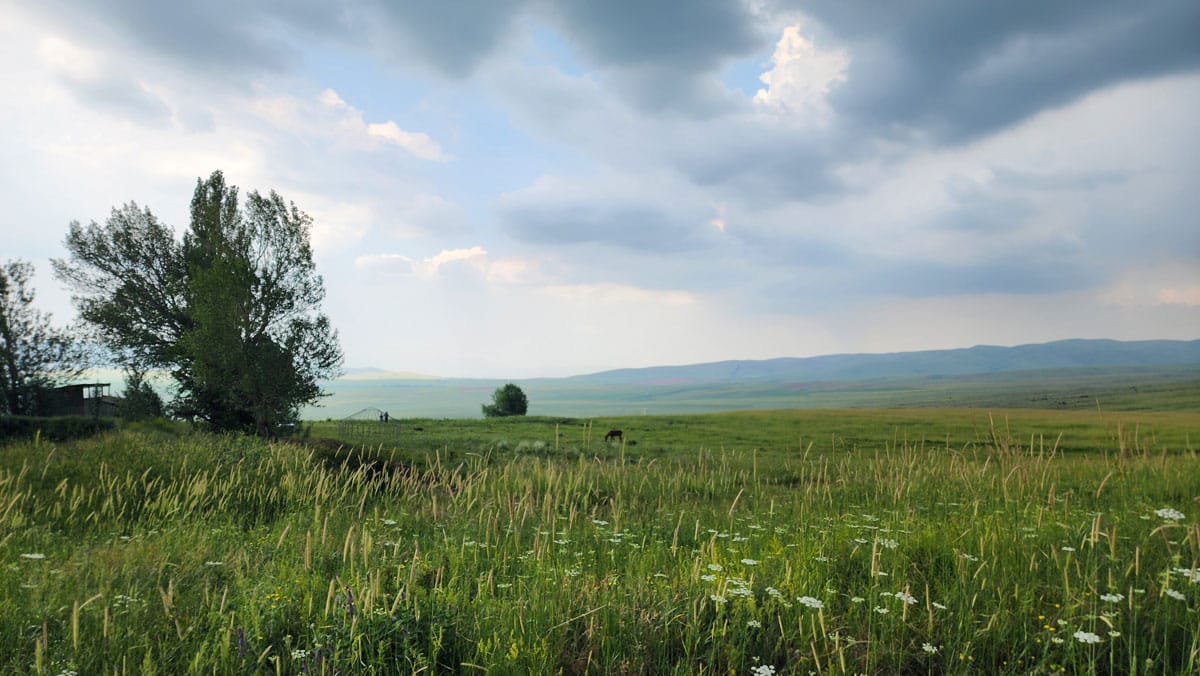
The road itself was an important part of the experience. The landscapes revealed the diversity of agricultural and pastoral systems across the country. We passed through rangelands where horses, camels and sheep remained visibly connected to the land. We also visited areas shaped by large-scale crop production, intensive livestock farming and modern agricultural investment, alongside initiatives seeking to introduce more sustainable approaches to agriculture and food production.
Discussions on soil, water, climate change, resilience and sustainable land management showed that these concerns are receiving attention in Kazakhstan’s agricultural research and national policy debates. It was encouraging to see greater attention being given to the ecological foundations of agriculture. At the same time, seeing industrial and large-scale production systems alongside pastoral landscapes raised broader questions about how development is understood, which systems receive investment and recognition, and how economic priorities are balanced with ecological limits.

Development is neither a single path nor a predetermined destination. It is shaped by choices about institutions, technologies, investment, production priorities and the relationship between economic goals and environmental realities. Economic viability matters, but conventional assessments often fail to reflect environmental costs or the value of the natural systems on which agriculture depends. Soil fertility, water regulation, biodiversity, carbon storage and landscape resilience are foundations of long-term production and human wellbeing.
This perspective is especially important when considering pastoralism and nomadic pastoralism. These are integrated social and ecological systems in which communities, livestock, biodiversity and agrobiodiversity, vegetation, mobility, water, territories and local institutions are closely interconnected. Changes in access to territories and the resources within them – including water, grazing areas and seasonal migration routes – can affect livelihoods, human–nature relationships, conservation practices, social organisation and the ecological condition of rangelands. Policies are therefore more effective when these relationships are addressed together rather than through disconnected programmes.
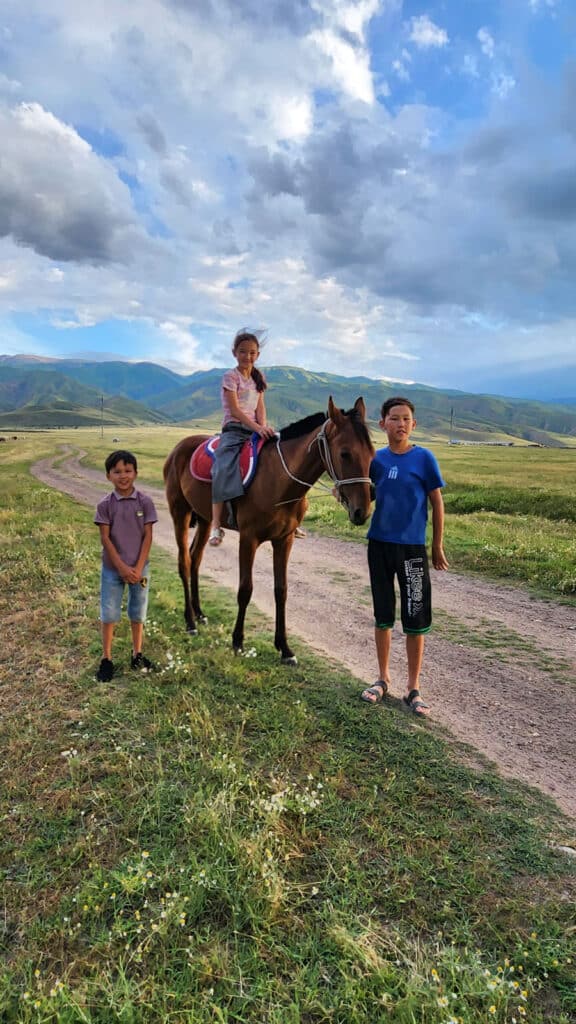
Kazakhstan’s pastoral heritage was visible throughout the journey—in the landscapes, the animals we encountered, cultural references and presentations, and the generous hospitality we experienced in yurts. These expressions deserve recognition and protection. However, pastoralism and its relationship with rangelands extend far beyond cultural heritage. Pastoral systems are living, productive and adaptive, with the capacity to respond to uncertainty and adapt to environmental and social change.
Their contributions also extend far beyond livestock production. Pastoral systems sustain livelihoods, locally adapted breeds, biodiversity, healthy soils and vegetation, ecological connectivity and the transmission of knowledge across generations. Mobility and flexibility can provide important resilience in dry and highly variable environments, where more fixed production systems may be less able to respond to drought, changing vegetation and uncertain water availability. Pastoralism is therefore not only a heritage to be preserved, but also a contemporary system with important ecological functions and practical value.
The pressures affecting pastoral communities should not be interpreted as proof that these systems are outdated or inefficient. Many face climate change, drought, water scarcity, land degradation, fragmented rangelands, changing markets and major social transformations. At the same time, pastoral systems have often received less investment, infrastructure, appropriate services and institutional support than other agricultural sectors. The knowledge and priorities of pastoral communities have also been insufficiently recognised in decision-making.
Supporting pastoralism should not mean freezing it in the past. It should strengthen the capacity of pastoral communities to adapt and evolve while maintaining the relationships, knowledge and institutions that sustain their systems. Depending on local conditions, this may require secure access to territories and natural resources, stronger community institutions, suitable technologies and services, fairer market access and meaningful participation in decisions affecting their lands and livelihoods.

Indigenous and traditional knowledge should also be taken more seriously in research and development. Pastoral knowledge and scientific knowledge do not need to compete. Science can provide climate information, ecological monitoring, biodiversity assessment, veterinary expertise and new technologies, while pastoralists contribute detailed, place-based understanding developed through generations of experience. Respectful collaboration between these forms of knowledge can improve rangeland management, landscape restoration, biodiversity conservation and climate adaptation.
Agroecology offers a useful framework for bringing these dimensions together. Rather than treating production, biodiversity, culture, livelihoods and governance as separate concerns, agroecological approaches recognise their interdependence. This framework can help governments, researchers and international organisations design policies and programmes that are environmentally sound, socially fair and adapted to local ecological and cultural realities.
The International Year of Rangelands and Pastoralists and COP17 provide an opportunity to move from recognition towards practical commitments. This requires stronger connections between local experience, national policy and international processes, as well as closer cooperation among communities, governments, researchers and civil society. Support must go beyond celebrating pastoral culture. It must recognise pastoral systems as living socio-ecological systems, strengthen their capacity to adapt, and ensure that the knowledge and rights of pastoralist communities shape the policies, funding and programmes intended to support rangelands, landscape restoration and sustainable food systems.