Amplifying Local Voices from the Sahel
By Fanna Abdou Gado, Young Volunteers for the Environment of Niger (JVE-Niger)
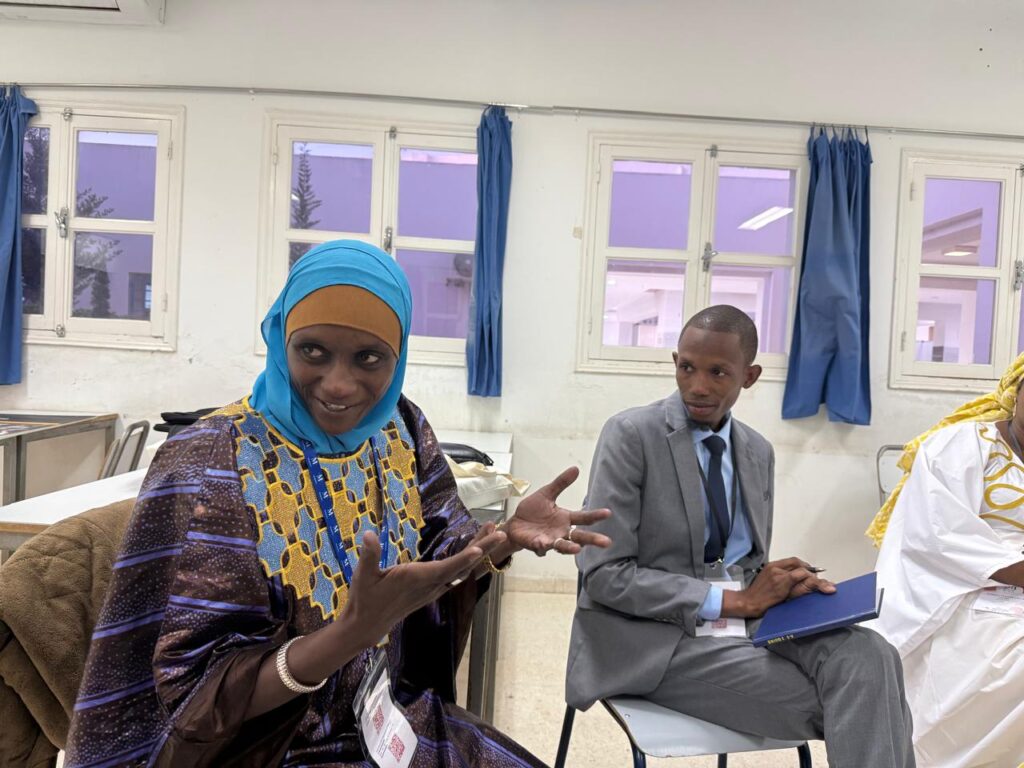
Participating in Desertif’Actions 2026 in Tunisia, as part of the Drynet mentorship programme, was a truly transformative experience. For me, representing Young Volunteers for the Environment of Niger (JVE-Niger), this Summit was far more than an event, it became a platform to amplify the often unheard realities of my country.
In Tunisia I had the opportunity to share our experience in land restoration with local communities during field visits. I explained how, through half-moon techniques and the active involvement of women, we are transforming degraded land into productive spaces, contributing to Land Degradation Neutrality (LDN). At the same time, I spoke honestly about the challenges we face: recurring droughts, insecurity that limits access to communities, and the urgent need for sustainable funding to scale up our efforts.
What has changed through this mentorship is my ability to carry and amplify this voice. I am no longer only a grassroots activist — I am becoming an advocate, able to engage with decision-makers using concrete evidence and lived experience. Participating in a panel on youth engagement, presenting our field initiatives, sharing reflections during the closing ceremony in front of all participants, and being interviewed by Radio France International (RFI) were powerful moments where I truly felt that our message was being heard.
I left the Summit with a strong conviction: civil society in the Sahel has a critical role to play. With the support of Drynet and my mentor, I feel better equipped to ensure that this voice is not only heard, but taken into account.
Connecting Local Solutions to Global Dynamics
By Lalla Aïcha Guindo, ADCE Mali
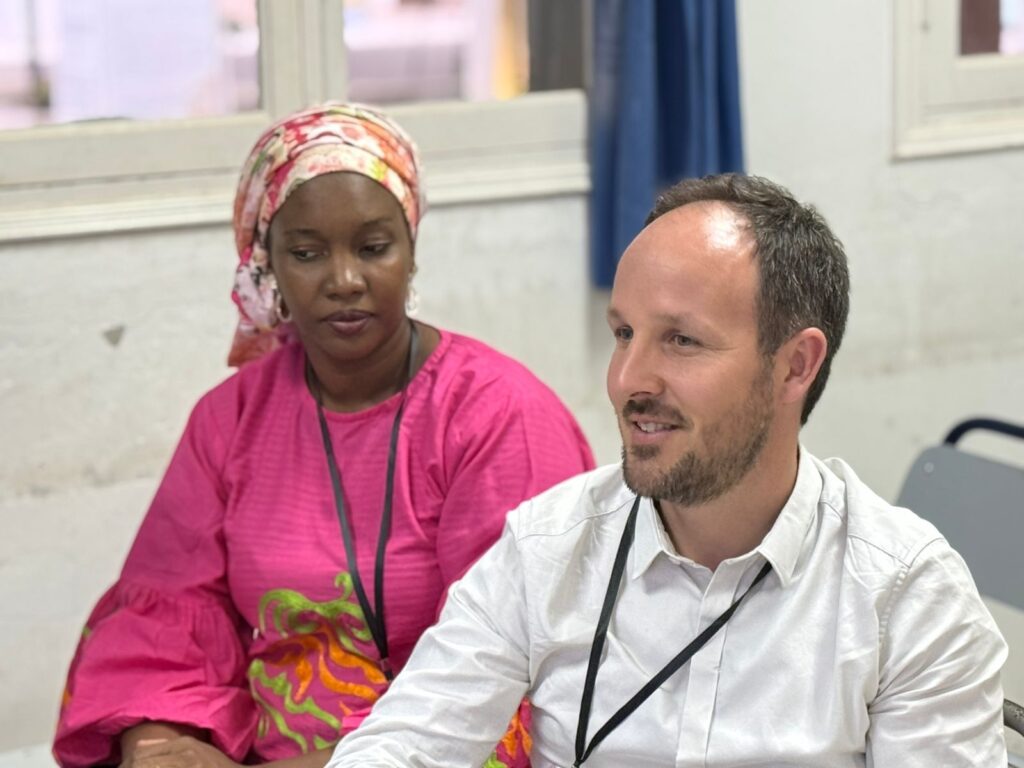
Participating in the Desertif’Actions 2026 summit in Djerba was a profoundly enriching experience. As Executive Director of ADCE Mali, I experienced it as much more than a forum for exchange — it was a space to connect on-the-ground realities with the broader international dynamics shaping land resilience.
What struck me most was the strength and relevance of local solutions. Throughout the discussions, it became clear that communities — particularly women and young people — are already developing concrete responses to desertification, from agroecology and soil restoration to entrepreneurial initiatives. These experiences strongly resonate with our work in Mali.
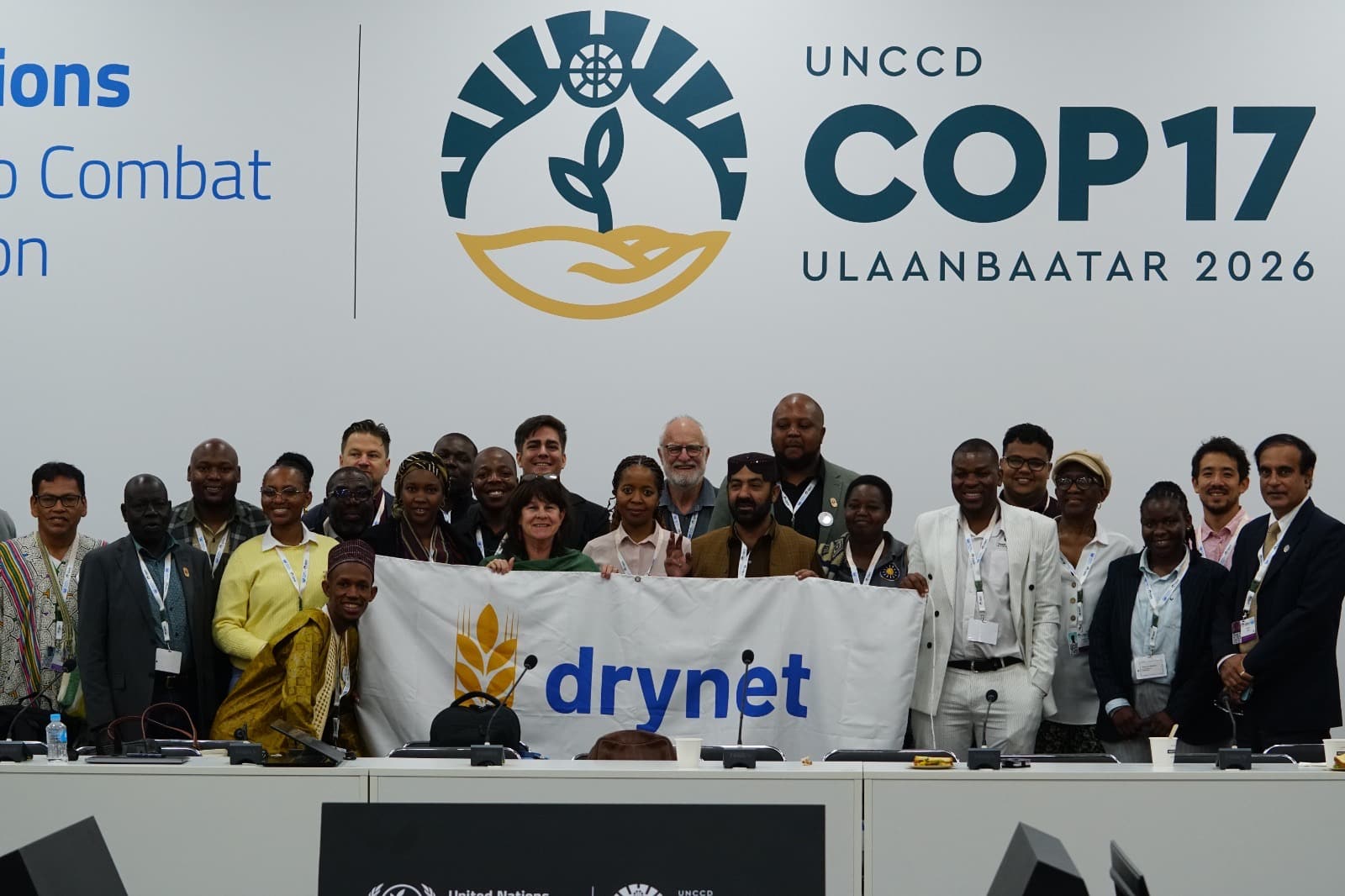
A key moment for me was participating in the Drynet side event, where we shared our experiences as mentees and reflected on how to strengthen civil society participation in processes related to Land Degradation Neutrality (LDN) and the UNCCD.
The summit also deepened my understanding of the links between local capacities, access to financing, and tangible impact on the ground. I was particularly struck by the persistent challenges of resource mobilisation and the difficulty of scaling up local initiatives into broader, sustained action.
I left the Summit with a strengthened conviction: achieving lasting impact requires better integration of local knowledge into international frameworks, and a stronger voice for local actors in decision-making spaces. This experience has strengthened my commitment to promoting sustainable, community-led solutions through ADCE Mali that build resilience across Sahelian communities.
 Lessons from Djerba – Land restoration must be rooted in local realities
By Abdoul Aziz Sidibe, The Soil Solution
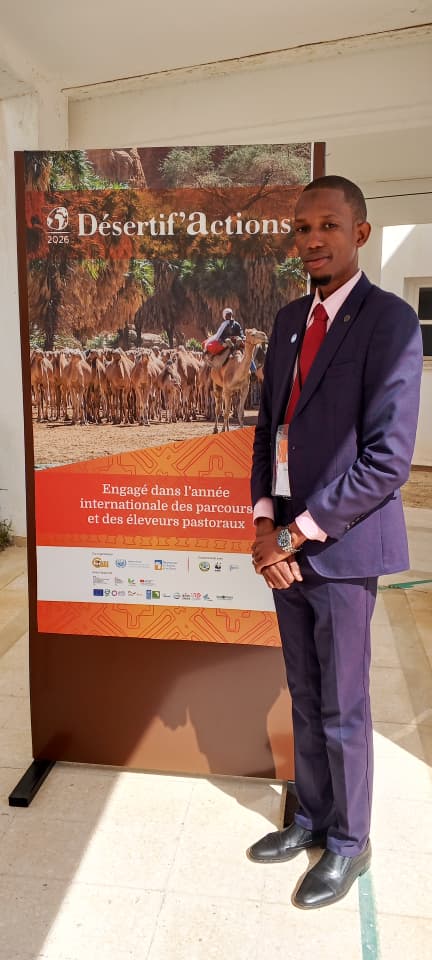
Some experiences don’t just add to your journey, they redefine it. Djerba was one of those moments for me. From the moment I stepped into the Desertif’Actions Summit, surrounded by voices from across the world all committed to one cause, I sensed that this would leave a lasting mark.
Preparing my contribution to the Drynet side event and coordinating a session on the UNCCD Future Strategic Framework (Post-2030) was more than a responsibility, it was a first milestone that pushed me to rise to a new level. I wanted not only to deliver, but to contribute with purpose. The guidance from my mentor and the support of my organisation played a crucial role in making that possible.
What stayed with me most, however, was the human energy of the summit. After months of virtual collaboration, meeting in person felt natural and seamless, as if distance had never existed. The level of coordination, commitment, and shared purpose was inspiring.
One of the most powerful moments was witnessing how voices from civil society, local communities, and researchers came together around a shared ambition: to make Desertif’Actions Summit more inclusive and impactful. Yet, this also revealed a difficult truth, the persistent gap between representation on paper and reality on the ground, especially for women and youth. It pushed me to reflect more deeply on what meaningful participation should look like.
Desertif’Actions was also a space of connection. Engaging with different organisations reinforced the importance of collective action. The openness, commitment, and energy I encountered were a testament to what is possible when people come together with purpose.
At the same time, I left the Summit with an important question: how will these powerful discussions shape COP17, and how will they translate into real change at national level?
This experience strengthened my conviction that land restoration must be rooted in local realities, guided by inclusive processes, and driven by accountability. Djerba was not just a destination, it was a turning point, a moment where my sense of purpose became clearer and my commitment grew stronger.