By Gram Bharati Samiti (GBS), India
Across the semi-arid landscapes of Rajasthan, a state in northwestern India, where prolonged droughts, declining groundwater, and land degradation increasingly threaten rural livelihoods, local communities are demonstrating that restoring nature begins with restoring people’s relationship with the land.
In Todaladi village, situated in the ecologically fragile foothills of the Aravalli mountain range in Jaipur District, the GANDHIVAN initiative of Gram Bharati Samiti (GBS) has become a living example of how community-led environmental action can transform degraded ecosystems into productive landscapes while improving the quality of life of thousands of rural residents.
The initiative extends across nearly 45 villages in the Jaipur District, where farming communities have long struggled with desertification, erratic rainfall, soil erosion, declining vegetation, and chronic water scarcity.
Restoring a Fragile Landscape
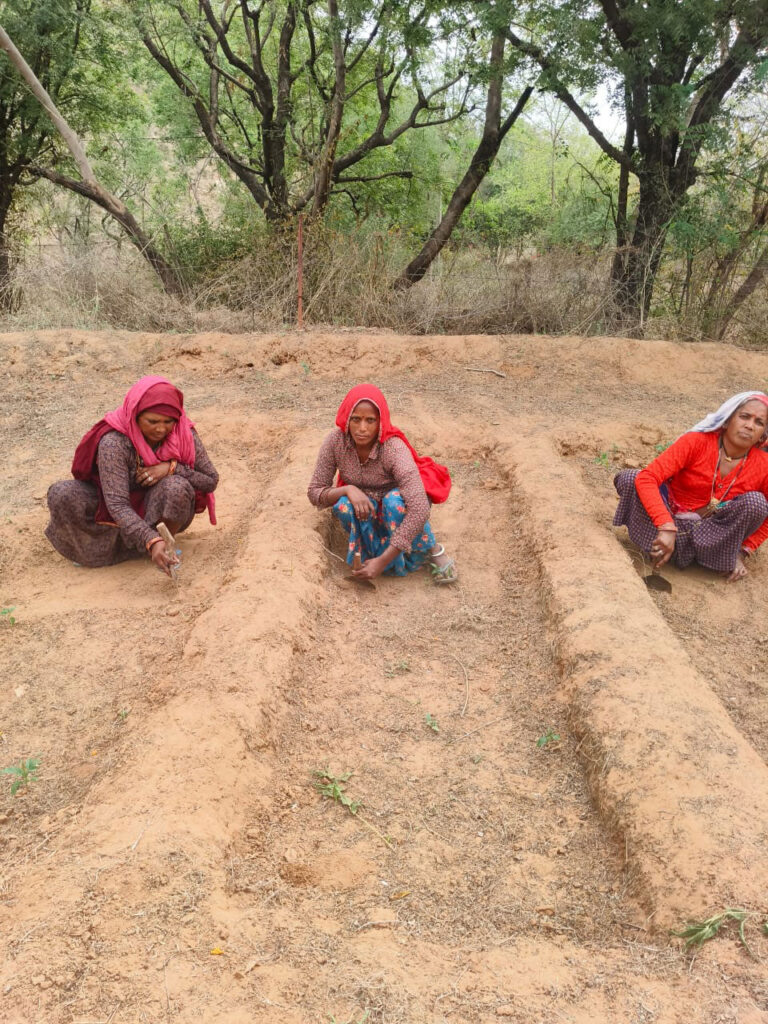
Before restoration began, much of the area had experienced severe environmental degradation. Recurring sandstorms buried fertile agricultural land, while advancing desertification and unstable sand dunes reduced agricultural productivity. Rainwater rushing down the Aravalli hills carved deep gullies through farmland, washing away valuable topsoil and leaving behind increasingly degraded landscapes. Traditional step wells and rainwater harvesting systems had dried up, groundwater levels continued to fall, and the disappearance of indigenous vegetation intensified shortages of fuel wood and livestock fodder.
These environmental pressures were further compounded by climate variability, making farming increasingly uncertain for rural households that depend almost entirely on natural resources for their livelihoods. Recognising that these interconnected challenges required integrated solutions, GBS worked alongside local communities to restore ecosystems while strengthening community resilience.

Communities Leading the Change
Rather than implementing externally driven projects, GBS adopted a participatory approach that placed local communities – particularly women – at the centre of restoration efforts.
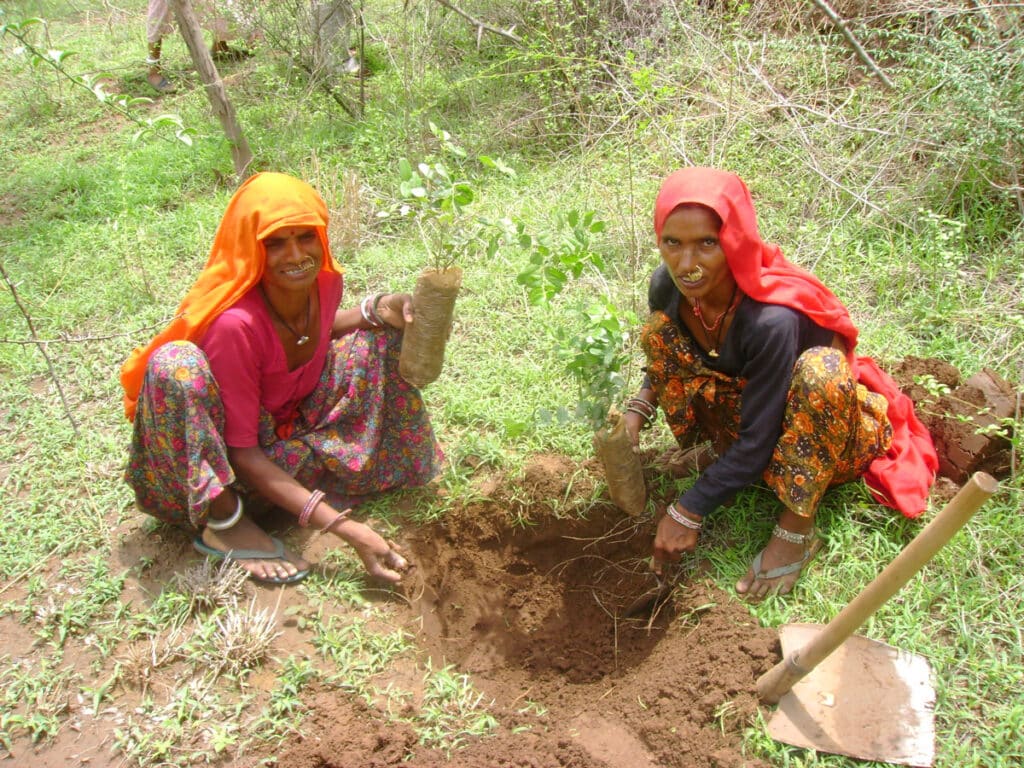
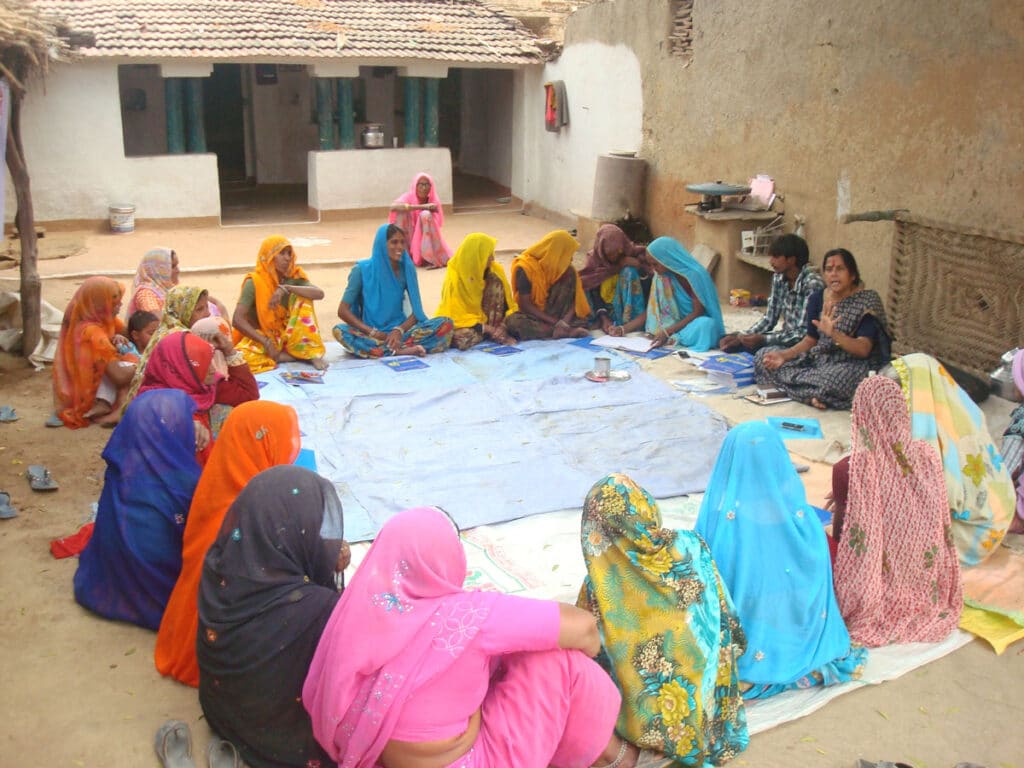
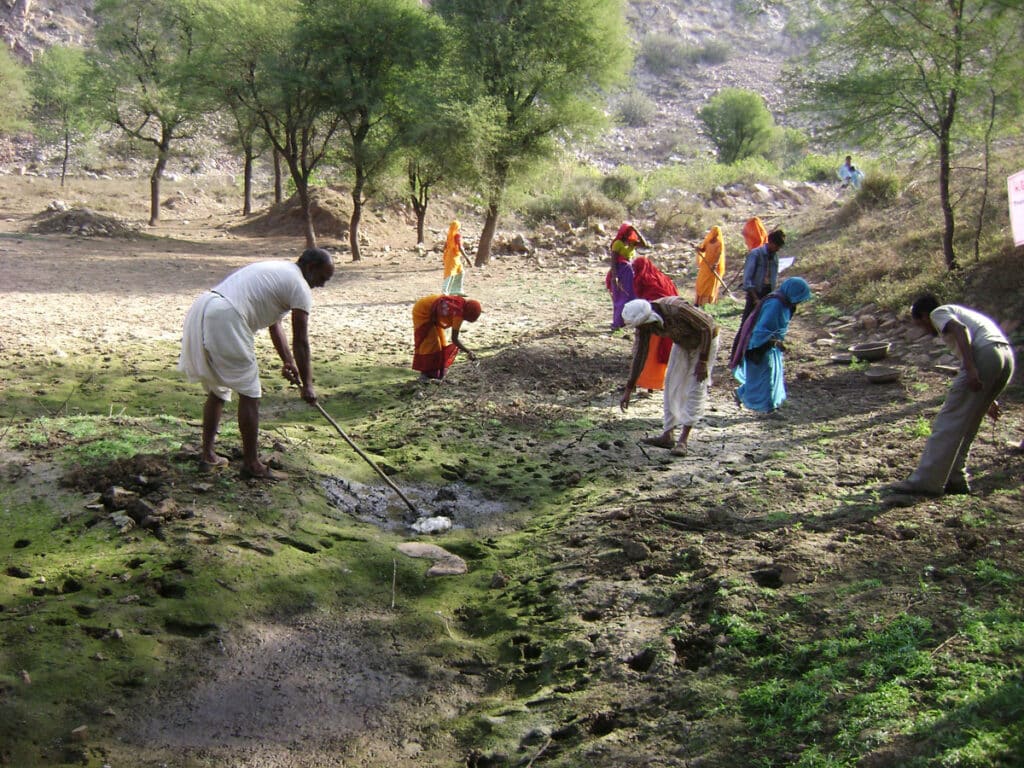
Village-based community groups and self-help groups actively manage community nurseries, prepare indigenous saplings, participate in large-scale plantation campaigns, restore traditional water bodies, conserve soil, and contribute to village-level planning and decision-making. Many also serve as local resource persons, sharing their knowledge with neighbouring communities.
Young volunteers and farmers have similarly emerged as local environmental champions, ensuring that restoration efforts continue long after individual project activities have ended.
Practical Solutions for Lasting Impact
Community participation has enabled the successful implementation of a wide range of sustainable land management interventions. More than 80,000 indigenous trees have been planted across degraded landscapes. Communities have stabilised 65 sand dunes, restored over 90 gullies through soil and water conservation structures, revived traditional step wells and rainwater harvesting systems, and rehabilitated approximately 1,000 hectares of degraded land.
Traditional ecological knowledge has been combined with practical conservation techniques such as contour bunding, mulching, watershed management, indigenous species plantation, and gully treatment. Together, these interventions have significantly reduced soil erosion, improved groundwater recharge, increased soil moisture, and restored ecological balance.
The Role of Gram Bharati Samiti
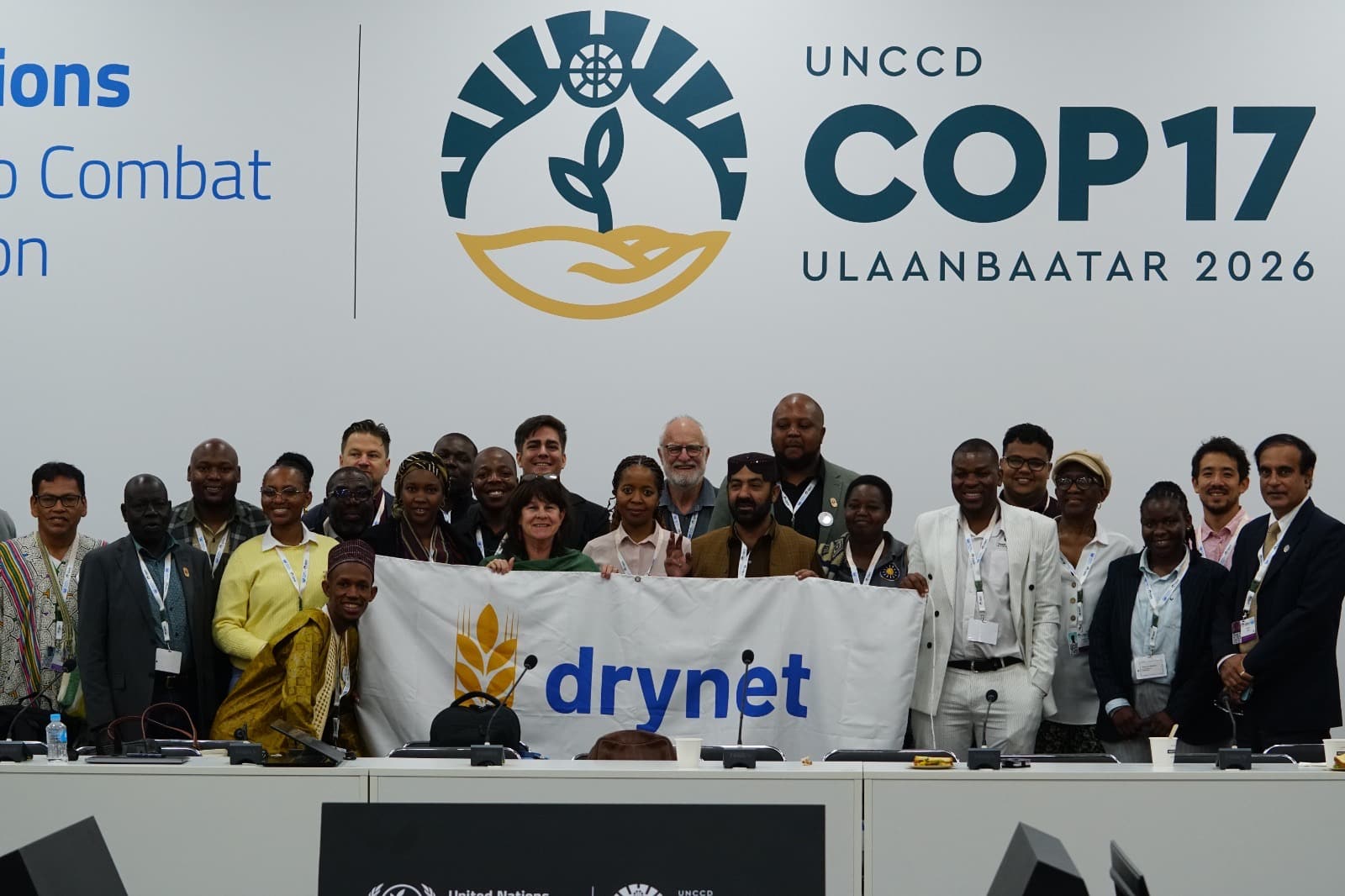
Established in 1984, Gram Bharati Samiti is a grassroots development organisation based in Jaipur and accredited by the United Nations Convention to Combat Desertification (UNCCD).
Its role extends far beyond project implementation. GBS serves as a facilitator, technical resource organisation, and capacity builder, bringing together rural communities, local government institutions, development partners, and technical experts to jointly address environmental degradation.
The organisation provides technical guidance on afforestation, watershed management, soil conservation, and restoration of traditional water harvesting systems while also strengthening local leadership through environmental education, vocational training, livelihood promotion, and community mobilisation.
Programmes are delivered through participatory village planning, field demonstrations, hands-on training, regular community meetings, and continuous mentoring of women and youth volunteers. This approach has helped create strong local ownership and long-term sustainability.
Benefits beyond the Environment
Environmental restoration has generated significant social and economic benefits. Improved groundwater availability has enhanced agricultural productivity and increased water security for rural households. Expanded vegetation has improved access to fuel wood and fodder, reducing pressure on surrounding natural forests. Women have strengthened their leadership roles within their communities while acquiring vocational skills that contribute to household incomes. Farmers have become more resilient to climate variability through healthier soils and improved water availability.
The initiative demonstrates that ecological restoration can simultaneously strengthen livelihoods, social inclusion, and community resilience.
A Community Voice
The true impact of restoration is perhaps best expressed by those who have experienced it first-hand.
“Earlier, rainwater runoff from the Aravalli hills used to flood our fields. After GBS restored the gullies under the GANDHIVAN initiative, our soil is protected, and the water level in our well has risen. Today, we have greater confidence in farming and in our future.”
— Kamla Devi, Farmer, Todaladi Village and GANDHIVAN beneficiary
Lessons for Dryland Communities
The GANDHIVAN experience demonstrates that successful landscape restoration is not simply about planting trees. Long-term success depends upon empowering communities, revitalising traditional ecological knowledge, strengthening women’s leadership, and building partnerships between civil society, local government, and rural communities.
The initiative offers practical lessons for other dryland regions facing similar challenges of land degradation, biodiversity loss, water scarcity, and climate change.
As countries work towards achieving the United Nations Sustainable Development Goals (SDGs) and Land Degradation Neutrality (LDN) targets under the UNCCD, community-led initiatives such as GANDHIVAN illustrate how local action can contribute meaningfully to global environmental commitments.
Looking Ahead
The transformation taking place around the Aravalli hills demonstrates that restoring degraded landscapes is both possible and sustainable when communities become custodians of their natural resources.
By combining indigenous knowledge with scientific approaches, empowering women and youth, and fostering collective responsibility, GANDHIVAN has created a model that is replicable far beyond Rajasthan.
Its story reminds us that lasting environmental change begins at the grassroots – one restored landscape, one empowered community, and one shared commitment at a time.