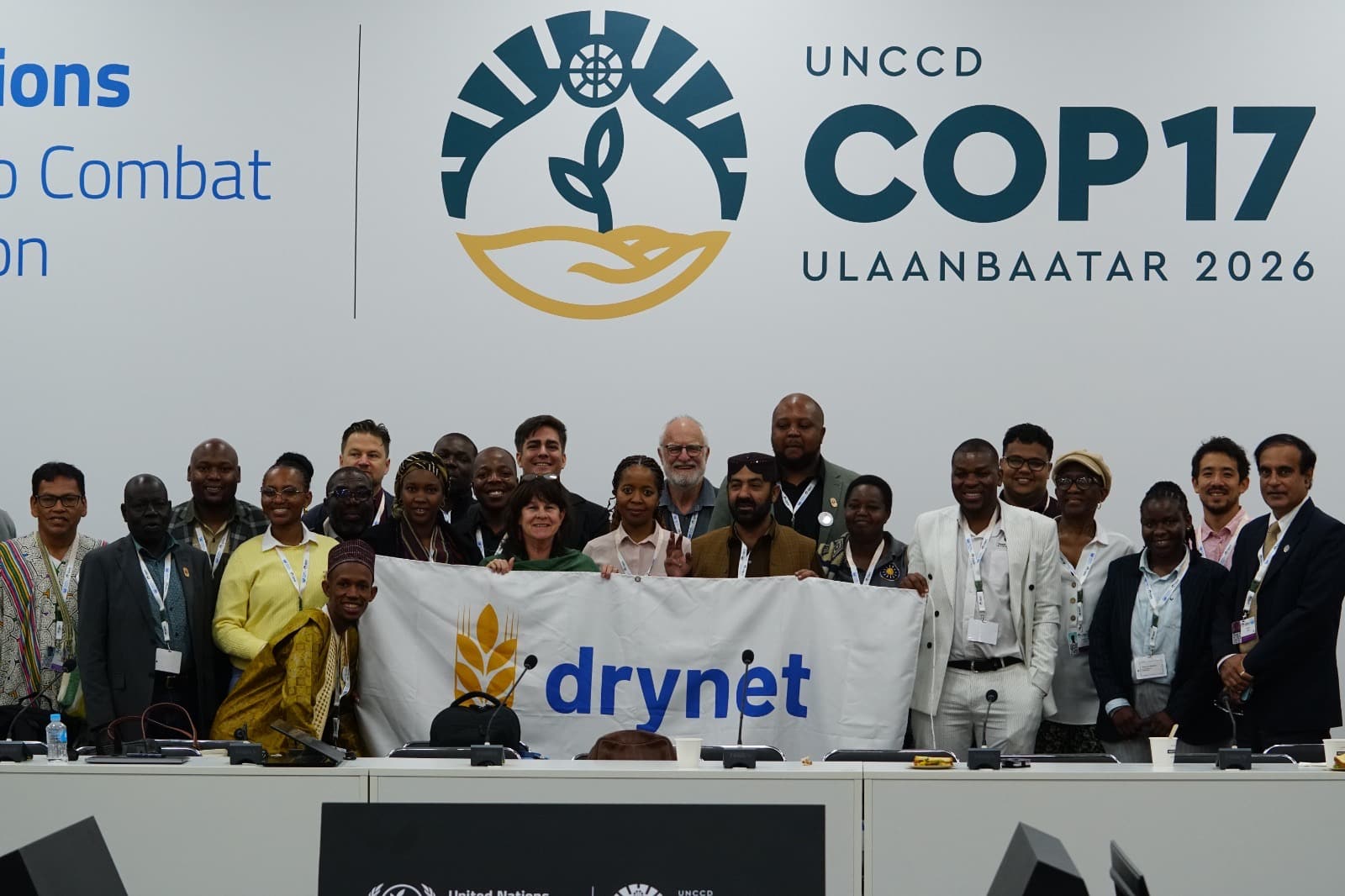
Three mentees from the first cohort of the CS4LDN mentorship programme share their perspectives ahead of COP17 – their hopes and expectations, but also their fears. What resonates across all three is the gap between global decisions and local realities, and the urgent need to close it. The mentorship has clearly bolstered their confidence and provided them with the necessary tools to play a significant part in the discussions in Ulaanbaatar.
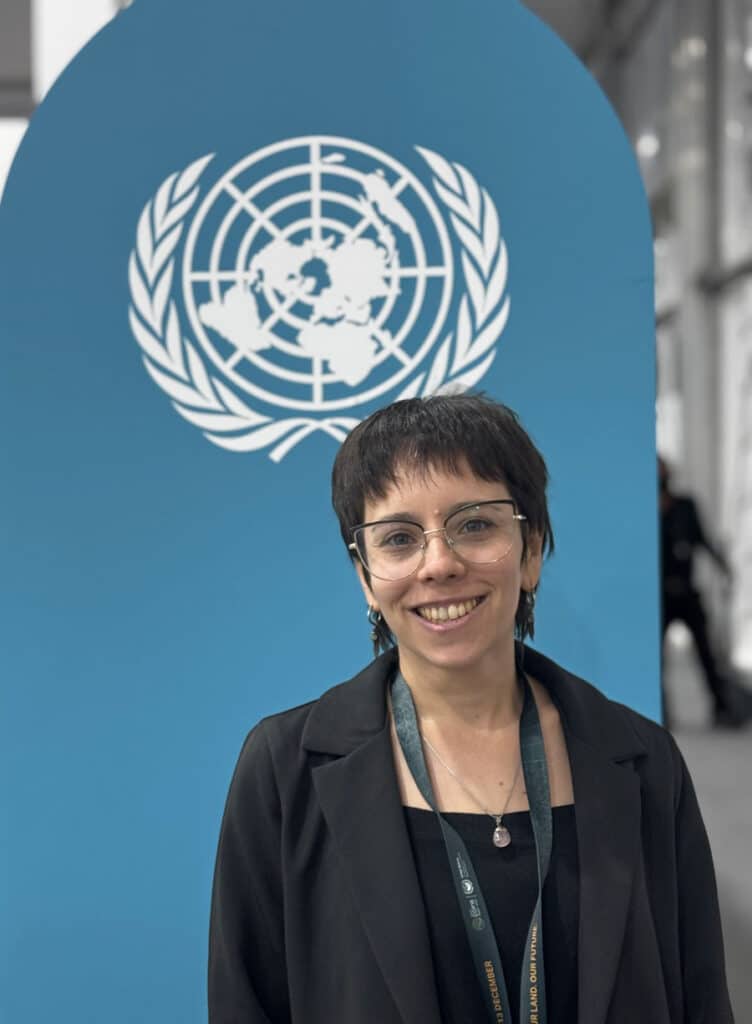
Paying Attention to the Role of People as Agents of Change
Glenda Inés Mangia, Food and Agroecology Coordinator, Fundación CAUCE, Argentina
I hope COP17 will strengthen the links between civil society organisations, local communities, scientists, and decision-makers to advance concrete solutions to land degradation and drought. On a personal level, I also hope to put into practice the knowledge and tools I have gained through the CS4LDN mentorship programme and Drynet webinars, contributing more effectively to spaces for dialogue and advocacy.
My expectations are related to the true fulfilment of the role of CSOs as observers. I hope that civil society can participate meaningfully in the contact groups and that our contributions are genuinely considered in negotiation and decision-making processes. However, my biggest concern is the current political context. It creates uncertainty and insecurity that Parties may lose their commitment to the UNCCD and, therefore, we may not achieve the Land Degradation Neutrality (LDN) goals.
I believe COP17 should give greater attention to the relationship between soil health and human health. Healthy soils are the foundation of healthy, resilient, and sustainable food systems. Through my experience following the Convention, I have also observed significant efforts to promote policies and strategies aimed at more sustainable production, but limited attention to the role of people as agents of change.
To achieve LDN, it is essential to strengthen education, citizen participation, and public awareness about how our food purchasing and consumption decisions can contribute to both the degradation and restoration of ecosystems. Restoring the land also requires restoring the connection between people and the ecosystems on which they depend.
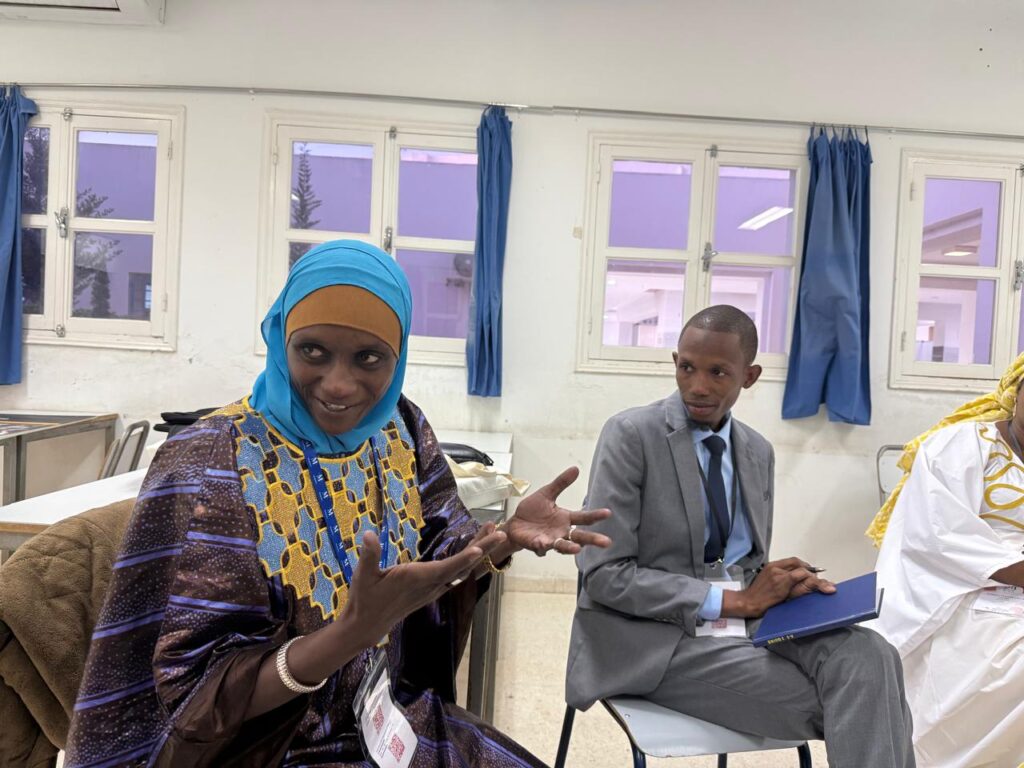
A Sahelian woman, fuelled by hope, pleads for commitments that save lives by restoring land
Dr. Fanna Abdou Gado, Chair of the Board JVE-Niger, Niger
As President of the Board of Directors of Jeunes Volontaires pour l’Environnement du Niger (JVE-Niger) and a mentee of the CS4LDN mentorship programme, I approach COP17 with a mix of hope and urgency. I expect COP17 to move beyond empty speeches and ground itself in the realities of Sahelian communities.
I want real action. Too often, the big decisions made at these events remain disconnected from the daily suffering of our rural communities in Niger, who fight every day against drought and land degradation. I hope States will make strong, financially backed commitments to accelerate the implementation of Land Degradation Neutrality (LDN) and the Great Green Wall initiatives.
My biggest fear is that the promises made at COP17 will not translate into concrete action on the ground. The challenge is huge: finance to address environmental challenges remains difficult to access for community-based organisations like JVE-Niger. We need direct, flexible funding mechanisms and genuine capacity building to support local initiatives in restoration, reforestation, and agroecology led by women and youth.
I want COP17 to prioritise three things:
- The recognition of African CSOs as indispensable partners in desertification policy and action, not just as implementers,
- The integration of gender and youth into all decisions. Women are the guardians of natural resources and youth are the builders of tomorrow;
- Soil health as a foundation for food security, conflict prevention, and resilient value chains for rural communities.
Beyond these priorities, COP17 must create concrete mechanisms to restore degraded lands, manage and protect water, address drought proactively, strengthen food security, and build resilient communities and economies.
My mentorship has equipped me to amplify my voice. I will go to COP17 with the determination to make the Sahelian reality heard and to demand the concrete results our communities deserve.

Building a Shared Civil Society Voice for COP17
Pía Zerán Ruiz-Clavijo, Executive Director Fundación MAPA, Chile
As a mentee, one of the things I value most about this process has been gaining a better understanding of the multilateral processes linked to the Rio Conventions: their language, protocols, timing and real forms of engagement. For those of us working from civil society organisations, these spaces can sometimes feel distant. Yet they are essential to ensure that territorial experiences remain connected to global discussions and decisions.
From the specific perspective of Fundación MAPA’s work in Chile, I have come to recognise how the UNCCD agenda connects with ecological restoration, the conservation of
ecosystems such as wetlands and peatlands, water security, biodiversity, and the ways in which we inhabit our cities and territories. The mentorship has allowed me to see more clearly how these issues relate to the UNCCD and to the other Rio Conventions, whose agendas are increasingly interconnected.
My expectation for COP17 is that civil society participation moves from mere presence towards more strategic and sustained engagement. To achieve this, organisations need to build trust, agree on priorities and sustain a shared voice over time, beyond individual interventions.
One of the things that has impressed me most during the mentorship is recognising the openness of organisations from different countries to build synergies, share learning, and move forward with a common agenda. This capacity for collaboration can help territorial priorities gain a stronger presence in global decisions.
I hope COP17 will help strengthen this articulation and deepen our understanding of how to engage collectively. Because even though each country faces its own urgent challenges, many of our struggles are rooted in the same causes.