By Fundación Ambiente y Recursos Naturales (FARN), Argentina
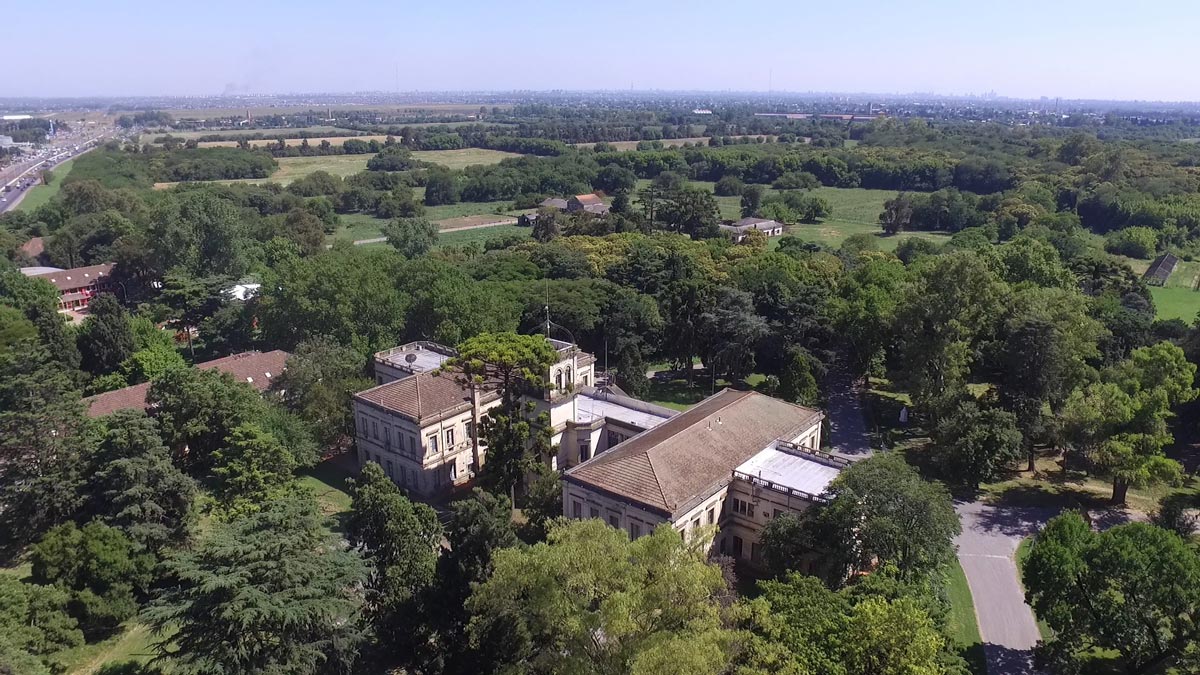
On the southern bank of the Matanza-Riachuelo basin, one of the most polluted watersheds in the world, home to more than 800,000 people in the surrounding neighborhoods, 670 hectares of wetlands, tala forests and grasslands, including a 45-hectare lagoon, have quietly survived more than a century of urban growth. This is Santa Catalina, the largest green area in the Lomas de Zamora district and one of the last natural wetlands in Southern Greater Buenos Aires – a natural environment surrounded by a dense urban system that still inspires wonder.
FARN has worked in the Matanza-Riachuelo basin for more than two decades. In 2008, Argentina’s National Supreme Court ordered the basin’s restoration, appointing FARN to the chartered body monitoring compliance. Since 2015 it has supported the recovery of Santa Catalina alongside the local NGO Pilmayqueñ and the Museum of Agrobotany, History and Nature (MAgNA) of the National University of Lomas de Zamora (UNLZ), protecting the site’s biodiversity and cultural heritage.
Santa Catalina was declared a Provincial Natural Reserve in 2011, after a long campaign led by social and environmental organisations, becoming the first protected area in the southern suburbs of Greater Buenos Aires. Today, after more than a decade of collective work by community groups, environmental organisations and, more recently, government authorities, Santa Catalina stands as a fine example of degraded urban land recovered for people and nature.

Ten years of groundwork before the turning point
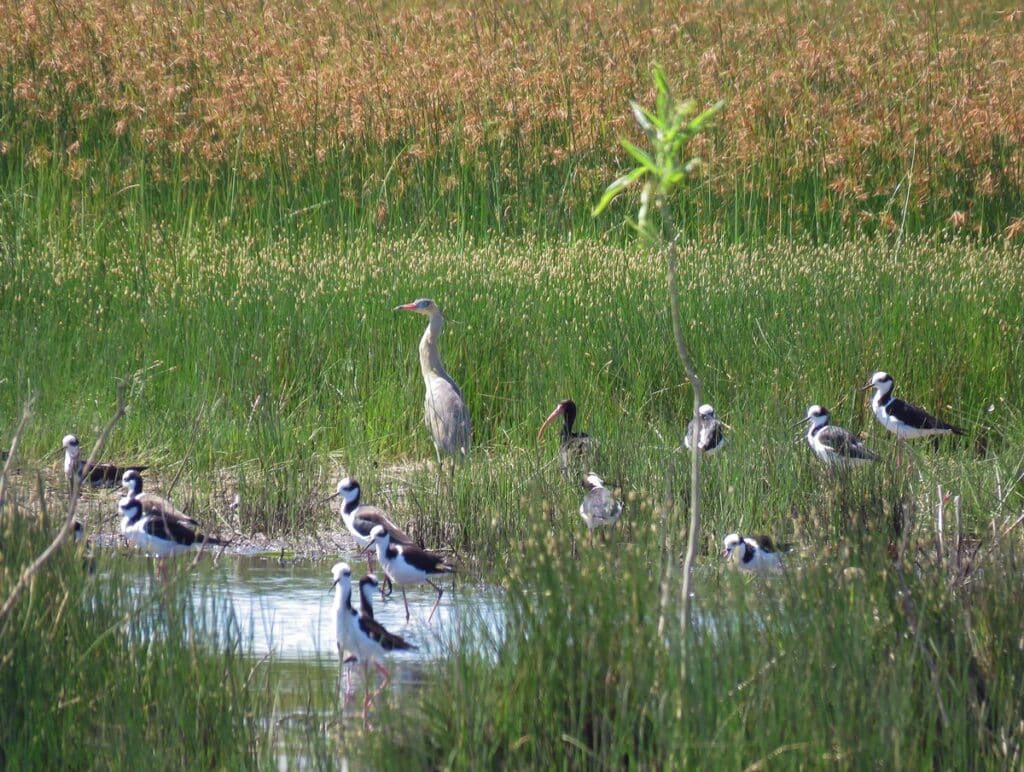
Effective implementation was delayed for 14 years, leaving the land exposed to fires, infrastructure pressure and land-use changes. Its ecological value is striking for a site amid dense urban development: 205 recorded bird species, more than 800 plant species, 400 fungi and algae species, and at least 1,800 arthropod species, several new to science. Its cultural history runs just as deep, with over ten buildings dating from the 19th century and the country’s first agronomic-veterinary institute (1881–1883). Despite delays in overall implementation, FARN and its partners were already restoring the land: by 2024, 4.5 hectares were already under active restoration, with over 1,000 native trees and shrubs of 50 species planted and biodiversity surveys under way.
That groundwork made all the difference when, in February 2025, the Ministry of Environment of Buenos Aires Province finally announced the reserve’s effective implementation and public opening — a turning point that aligned civil society efforts with new government investment. In this context, FARN received support from the G20 Global Land Initiative, hosted by the United Nations Convention to Combat Desertification (UNCCD), to scale up work already under way.
Restoring the land, species by species
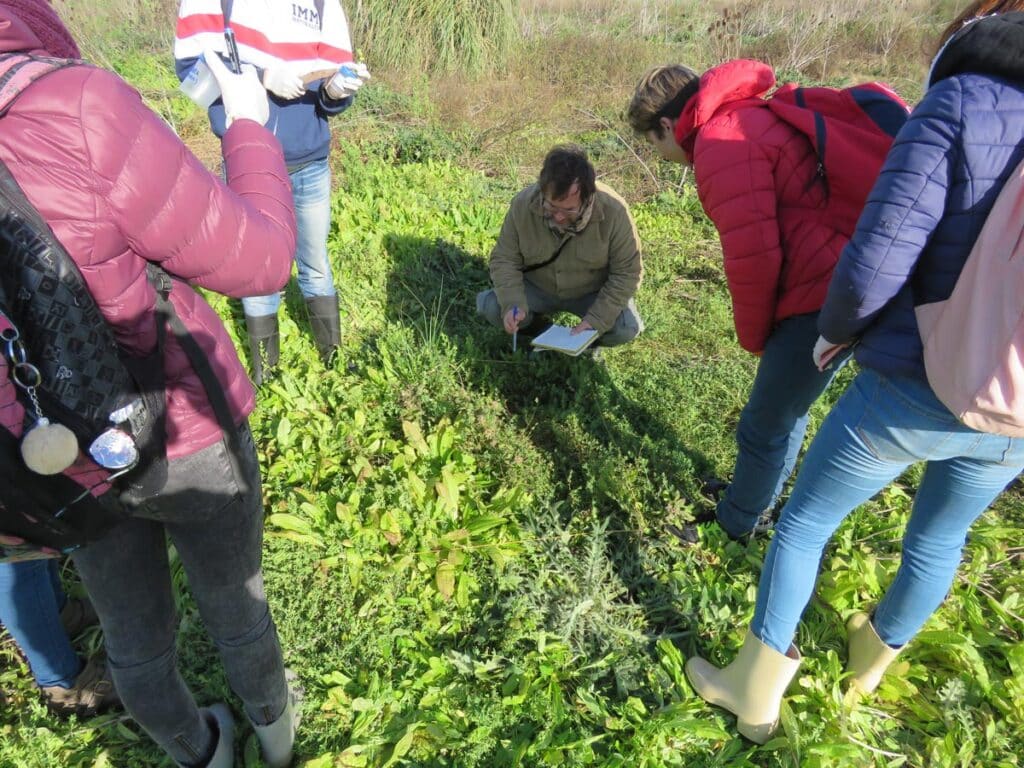
Between September 2025 and March 2026, the project enriched and expanded restoration areas from 4.5 to 5 hectares of wetland, tala forest and grassland, with 6 hectares targeted by the end of 2026. Teams planted native seedlings representing 21 different species in the wetland; removed 60 invasive trees; and cleared roughly 2,100 square meters of invasive herbaceous vegetation by hand and with brush cutters. Drought and extreme heat between December 2025 and March 2026 forced the team to postpone plantings, shifting work toward seed collection and nursery production until the autumn rains arrived.
Each hectare restored adds to a larger count. At COP15 in 2022, UNCCD Parties agreed to accelerate the restoration of one billion hectares of degraded land worldwide by 2030, and local projects like this one contribute directly to that goal.

A century-old greenhouse comes back to life
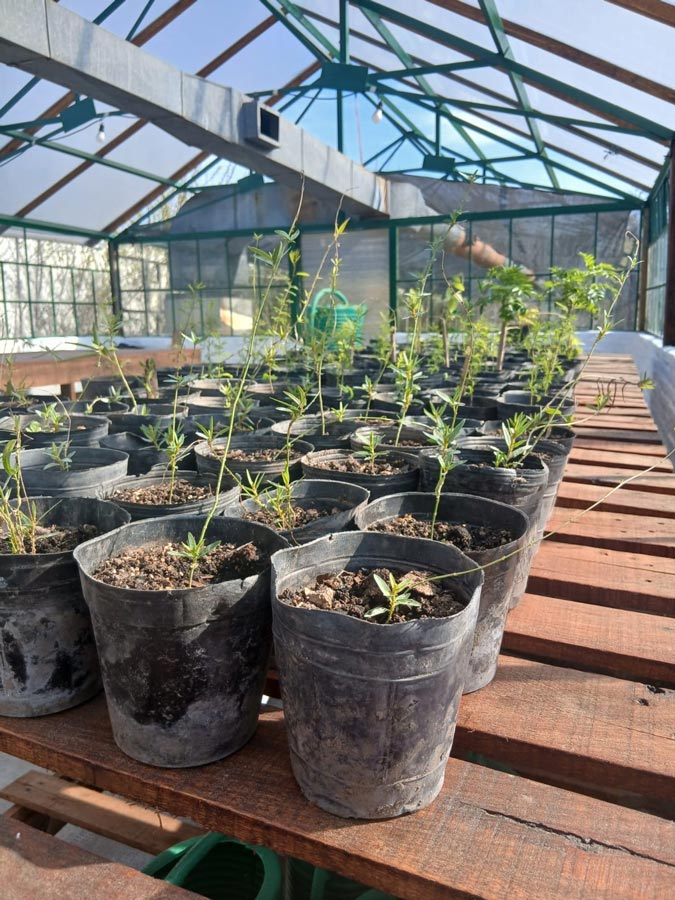
One of the project’s biggest achievements was the rehabilitation of a nearly 100-year-old greenhouse in the reserve’s historic “Chacra Modelo” sector —now a 300-square-meter native plant nursery able to produce up to 10,000 native plants a year across some 50 species. Workers from the Unión de Trabajadores de la Tierra (UTT), a national land workers’ union, led much of the rehabilitation, while students from the UNLZ Faculty of Agricultural Sciences supported seed collection, transplanting and nursery management.
Telling Santa Catalina’s stories
To capture the human side of this decade-long process, FARN produced a short documentary, “Stories from the Santa Catalina Provincial Natural Reserve”, filmed across the reserve’s wetland, restoration and historic sectors. Its voices, from conservation, restoration, education and reserve management, speak not only to what has been restored, but to why Santa Catalina is worth protecting. The film serves as an invitation as much as a record, drawing in neighbours who have never set foot inside the reserve to discover a shared natural and cultural heritage worth defending.
Two illustrated digital guides to the reserve’s flora and fauna, developed with the MAgNA Museum, give teachers and visitors new tools to learn its story on the ground. Environmental education carries it forward: between June and October 2025 alone, some 504 students —including 25 with disabilities— took part in guided visits, part of a broader program reaching roughly 800 students a year and connecting around 30,000 people, including the university community.
A community voice
“The G20 Global Land Initiative arrived at a pivotal moment, helping to take a decisive step forward by transforming years of advocacy work into concrete restoration progress, placing this issue on the future management plan of the Santa Catalina Reserve.” —Alberto De Magistris, NGO Pilmayqueñ, defender of Santa Catalina.
Roots that outlast a grant
Santa Catalina is also one node in a larger vision, a biocultural corridor across the Matanza-Riachuelo basin, connecting protected natural and cultural spaces through one of Argentina’s most urbanised regions. In 2022, biocultural corridors of this kind were formally recognised as possible OECMs (“Other Effective area-based Conservation Measures”) under the national biodiversity strategy process.
Restoring degraded urban land takes patient, community-rooted work that outlasts any single project. Projects are a necessary tool in the restoration process, and must be designed to support the long years of sustained commitment that are needed to achieve sustainable results. The G20 GLI grant boosted this ongoing work at a critical moment, but it arrived midway through a story written since 2015, together with community, academic and governmental actors. That long-term commitment is what keeps the restoration moving forward.
- Watch “Stories from the Santa Catalina Provincial Natural Reserve” (English subtitles): https://youtu.be/2kdpZ3xjssA?si=gTyVBS8gQby0KPgZ
- Learn about the Matanza-Riachuelo Basin Biocultural Corridor (Spanish only): https://farn.org.ar/corredor-biocultural-riachuelo/