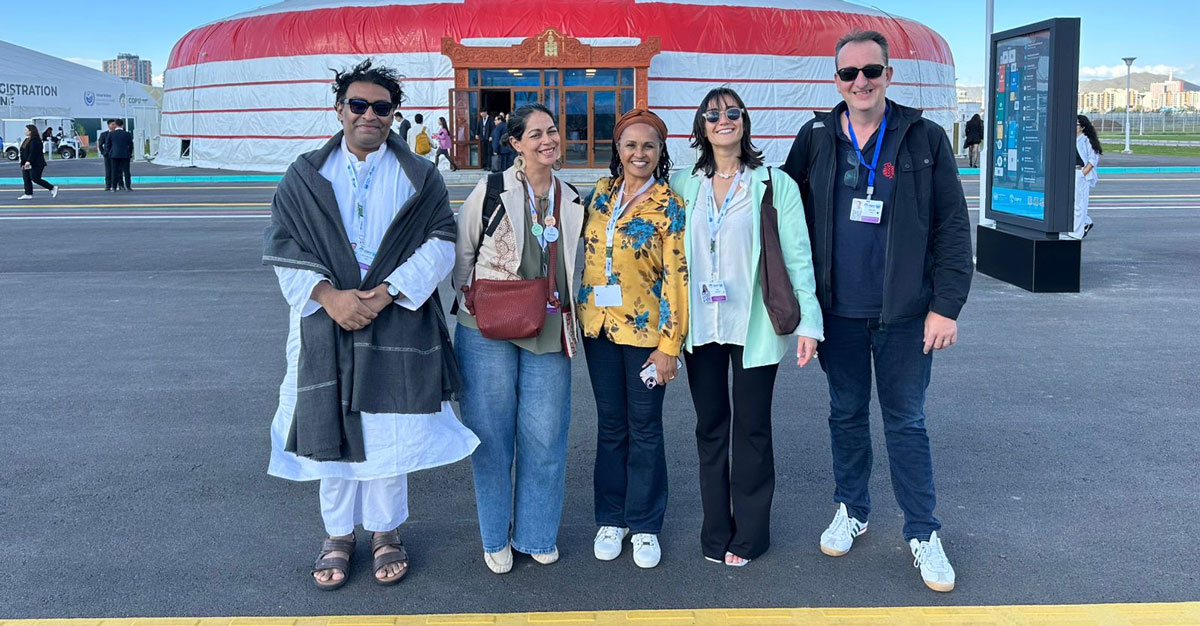
The theme for the COP was “restoring land, restoring hope”, reflecting the importance of aspiration to mobilise all of us to conserve and even restore the planet’s shrinking and beleaguered natural resources.
On the first day, hopes were dashed at this COP. Instead of the sort of steady and incremental progress that had been so meticulously planned for by so many contributors, we faced roadblocks and progress was stumbling and patchy. Agenda items were blocked from consideration, and some issues were simply deferred to COP 18.
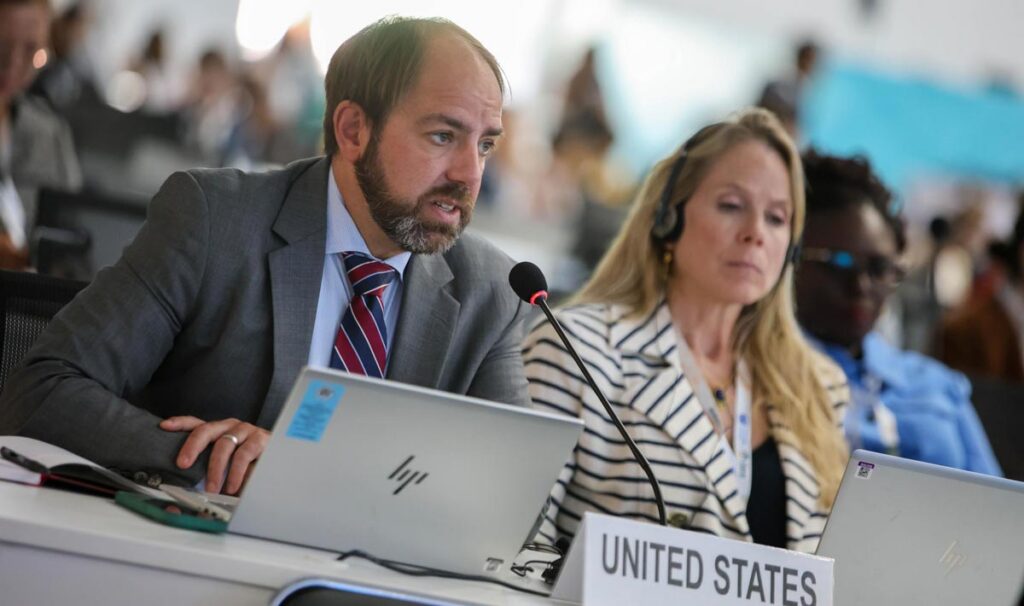
The blocking by the US delegation of the adoption of the agenda items on gender, civil society participation, and synergies with other multilateral conventions appears to have been petty, ideologically driven, ignorant and profoundly disrespectful of the other Parties to the Convention. It was also in flagrant disregard to the Convention itself, which in Article 5 obliges Parties to “facilitate the participation of local populations, particularly women and youth, with the support of non-governmental organizations, in efforts to combat desertification and mitigate the effects of drought”.
Friction and discord can have positive outcomes, and indeed so it was at this COP. Across the complex decision-making processes of the COP many of the government delegates closely collaborated with civil society representatives to find innovative ways of advancing the common agenda despite the blockages. The final report of the COP includes many positive and constructive references to the very issues that the US tried to exclude.
The UN system and the Multi-lateral Environmental Agreements (MEAs) that it has given birth to represent our last and best chance to collectively exercise stewardship of the global commons. Instead of the transactional, self-serving resource-grabbing of the colonial era, the MEAs reflect commitment to cooperation amongst nations to protect global resources and minimise the self-inflicted disasters that humanity is now suffering. They represent a huge achievement, and we must defend them and ensure that they deliver not just hope, but concrete actions.

Two recent reports starkly point to the urgency of collective global action:
- In a comprehensive, 816-page report, the FAO’s Status of the World Soil Resources details the current “poor to very poor” status of our soils, and reflects how since 2015 the state of soil erosion has worsened in Europe and Central Asia, sub-Saharan Africa, the Pacific Island countries, and New Zealand. Poor management practices combined with deforestation and other land-use conversions are major drivers of high erosion rates. The report concludes with proposals for how we must go about breaking barriers to sustainable soil management.
- The UNEP “Limiting Overshoot” report responds to the unavoidable breach of the 1.5°C limit agreed to in the Paris Agreement within the next 2 years, exploring its implications for humanity including the risks and impacts associated with higher levels of warming. The report also explores the mitigation pathways that are needed to limit peak warming and enable temperatures to decline, and how adaptation and development approaches must respond to changing conditions along an overshoot, peak and decline pathway. As the planet heats up, this report outlines why the current and projects overshoot should not lead to resignation to an inevitable fate, but rather to a call for urgent action.
In the light of these scientific reports, the blocking of debate on synergies between the UN environmental Conventions put agreement on some key issues out of reach. Although negotiators worked tirelessly late into the night and did manage to achieve compromises on some agenda items, they failed to reach agreement on others. Of the issues that were debated, no agreements were reached relating to knowledge sharing, migration, aridity and drought. These will be on the agenda of the next COP, kicking the can down the road for another 2 years.
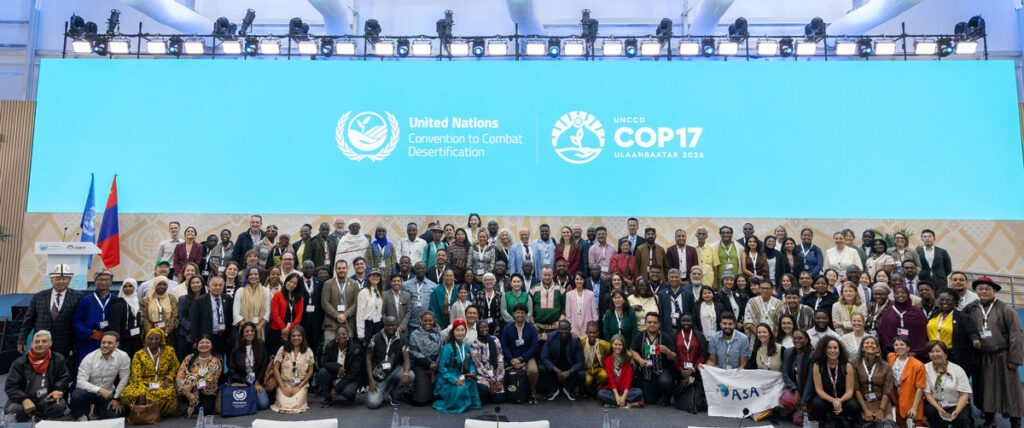
These shenanigans did not go unnoticed by any of the thousands of us at the COP who had invested in coming to move the agenda forward. Civil society observers mobilised to express their frustration and displeasure and demonstrated with posters and statements. Numerous press conferences were held to inform the press and their readers of the status of the negotiations.
Drynet issued a call for action, calling on call on all Parties to uphold the commitments and processes they have collectively built over time, and specifically to reaffirm the importance of gender-responsive approaches and the meaningful participation by all members of civil society, including Indigenous Peoples and local communities. Strengthening synergies among the Rio conventions is essential to address the current global environmental crisis and durable solutions for land, biodiversity and climate cannot be achieved in isolation.
In our shared world, the values and principles that have brought the world’s nations together to make a concerted effort to conserve our diminishing global commons are now more important than ever. The political choices made in every nation of the world have the potential to affect the people of every other country on the planet. Acting responsibly in all parts of the world and in all matters, matters for us all.