
By Marioldy Sanchez Santivañez, Drynet Co-Chair and UNCCD CSO Panel member (LAC)
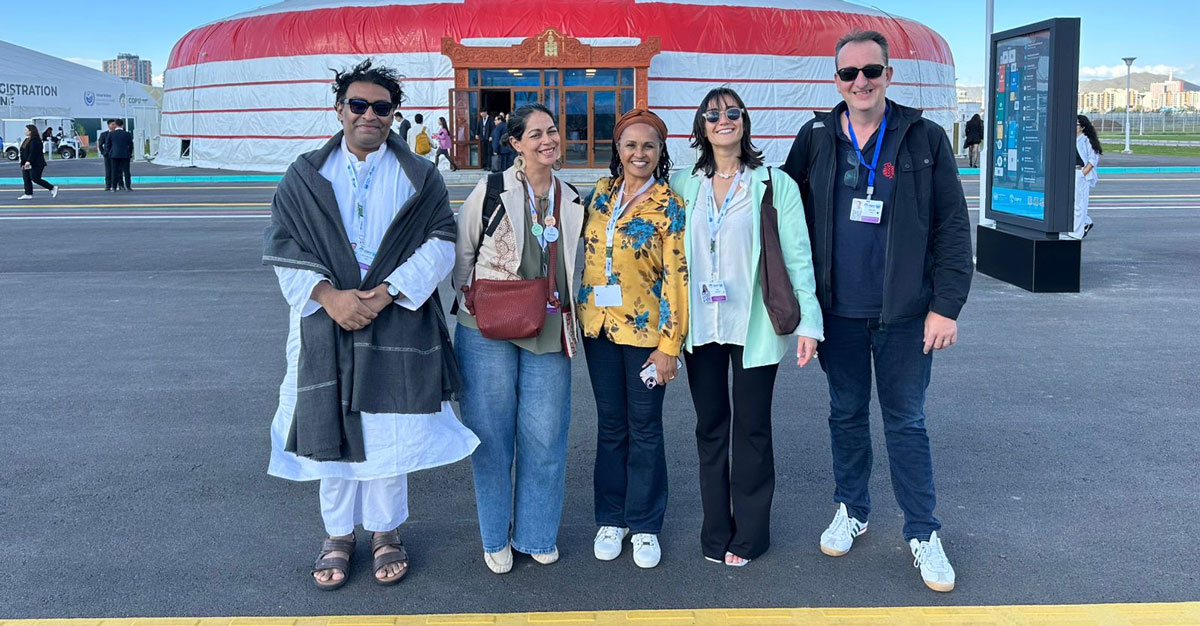
UNCCD COP17 brought together governments, civil society and development partners from around the world to discuss pathways for addressing land degradation and drought. Hosted by Mongolia, COP17 also provided participants with a unique opportunity to experience the country’s nomadic culture and its deep connection with nature, highlighting the importance of traditional knowledge in addressing global environmental challenges.
An important feature of COP17 was the active engagement of civil society. The Civil Society Organisation (CSO) Panel worked intensively to coordinate participation across different negotiation and discussion spaces. The Panel played a key role in ensuring that civil society perspectives were heard in official deliberations, while also supporting and guiding organisations to exchange experiences, knowledge, and perspectives with different stakeholders.

Despite these positive developments, COP17 fell short of expectations in several key areas. Three important agenda items related to civil society participation, gender, and synergies across the Rio Conventions were unable to advance toward COP decisions due to the opposition of a single Party. This outcome was widely seen as a great disappointment, particularly given the Convention’s strong emphasis on people-centred approaches and inclusive participation.
Nevertheless, a total of 34 decisions were adopted, including support for rangelands, financial commitments, continued work by the UNCCD’s Science-Policy Interface, and the renewal of the mandate of the Intergovernmental Working Group on the future strategic framework of the Convention. Discussions on drought resilience also remained high on the international agenda, generating renewed attention and commitments despite the absence of a formal agreement.
Although COP17 did not achieve the long-anticipated formal recognition of the Indigenous Peoples Caucus and the Local Communities Caucus through a COP decision, both caucuses successfully convened during the conference, defining pathways for future engagement and effective participation.
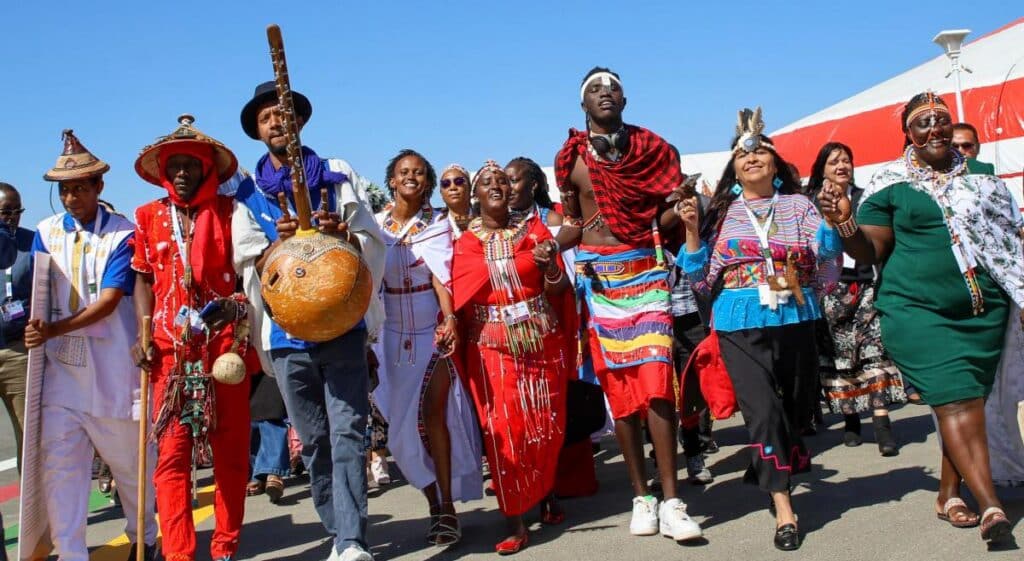
Initiatives supporting community-based action, such as the GEF-funded CS4LDN project, also contributed to knowledge exchange and capacity building throughout the conference. These efforts reinforced the important role of civil society in the implementation of this Convention.
As preparations begin for COP18, one of the clearest lessons from COP17 is that meaningful progress depends on inclusive participation, strong partnerships, and sustained engagement across all sectors. The conference also served as a reminder that the advances achieved over many years cannot be taken for granted. In a context where the principles of multilateral cooperation are increasingly being challenged, preserving and strengthening hard-won gains requires continued commitment and collective action.
At the same time, COP17 highlighted the remarkable diversity of actors engaged in the land agenda. This diversity is undoubtedly a strength, as effective solutions to land degradation and drought must emerge from multiple perspectives and knowledge systems. However, it also presents an important challenge for the civil society constituency: the need to establish, improve, and strengthen mechanisms for coordination, communication, and joint preparation.
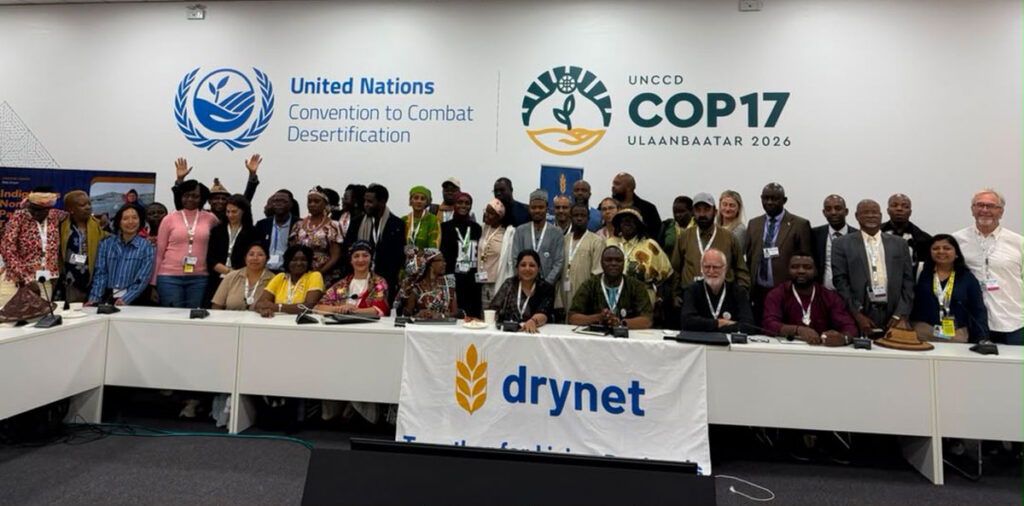
Building a more connected and collaborative civil society will be essential to enhancing its contributions to the UNCCD process and ensuring that the people most directly affected by land degradation and drought are able to participate meaningfully at every stage of the Convention.
In this effort, the CSO Panel plays a critical role in facilitating coordination, communication, and collective engagement across the Convention’s diverse constituencies, making its continued strengthening and empowerment increasingly important. Ultimately, the knowledge, leadership, and commitment of civil society remain fundamental for securing healthy lands for present and future generations.

