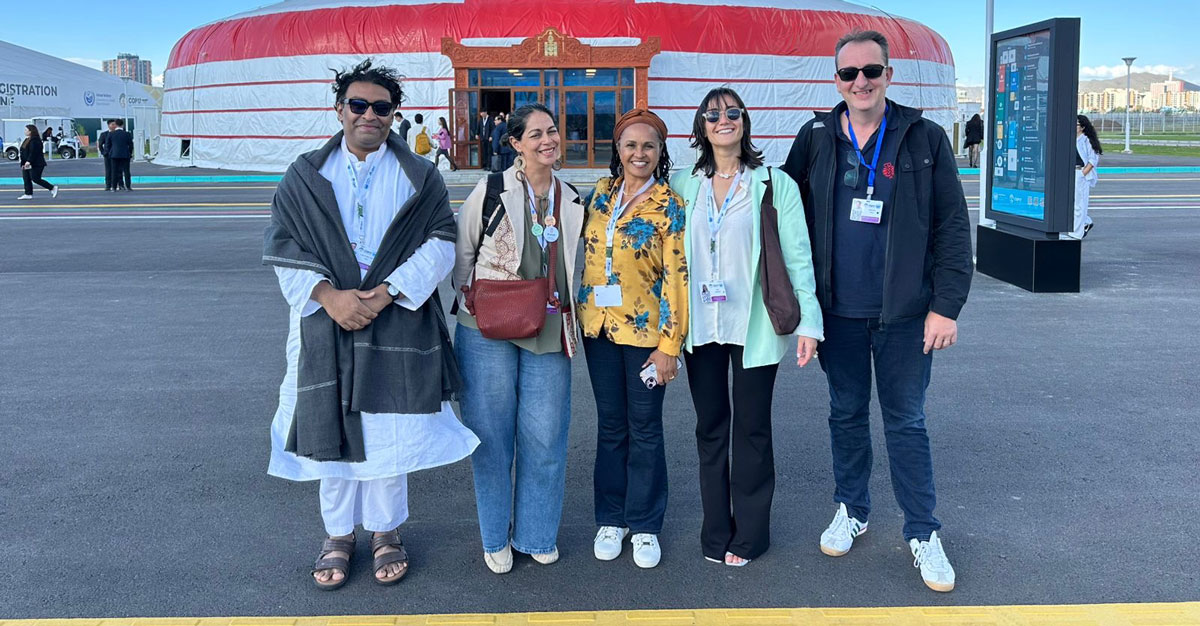
By Ana Di Pangracio, FARN (Argentina)
COP17 was a powerful reminder that progress on gender equality within multilateral environmental processes cannot be taken for granted.
The Convention has built an important body of work on gender over many years, including its Gender Action Plan, the Gender Caucus, and increasing recognition that land degradation, drought and insecure land tenure affect women differently, and that women must be recognised as rights-holders, knowledge-holders, political actors and leaders.
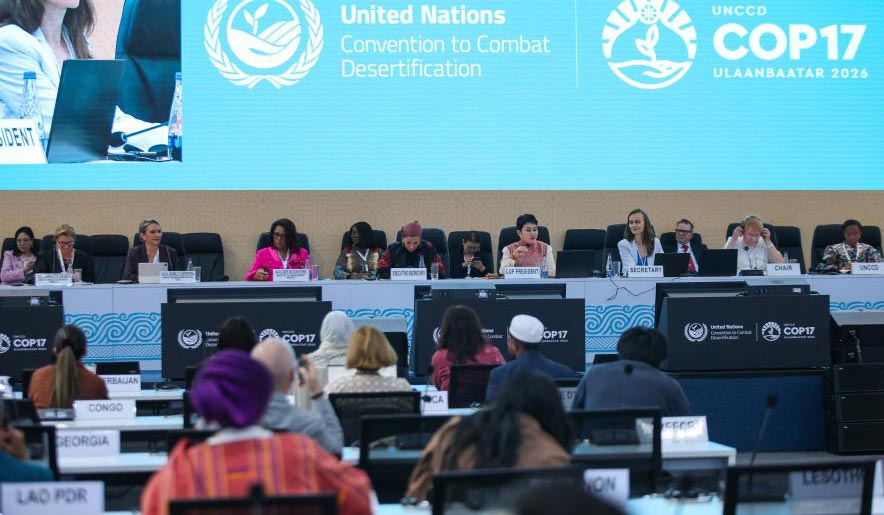
Against this background, it was deeply concerning that the agenda item on gender was blocked at the opening of COP17 by the United States, together with those on civil society participation and synergies among the Rio Conventions. As a result, Parties were unable to formally consider gender as a dedicated agenda item, and the discussion was postponed to COP18.
This was certainly one of the most difficult aspects of COP17. Multilateralism is about negotiating differences, listening and building compromise. Preventing an issue from being discussed is very different from negotiating different positions on it. It also showed how achievements built over decades can become vulnerable very quickly when the political context changes.
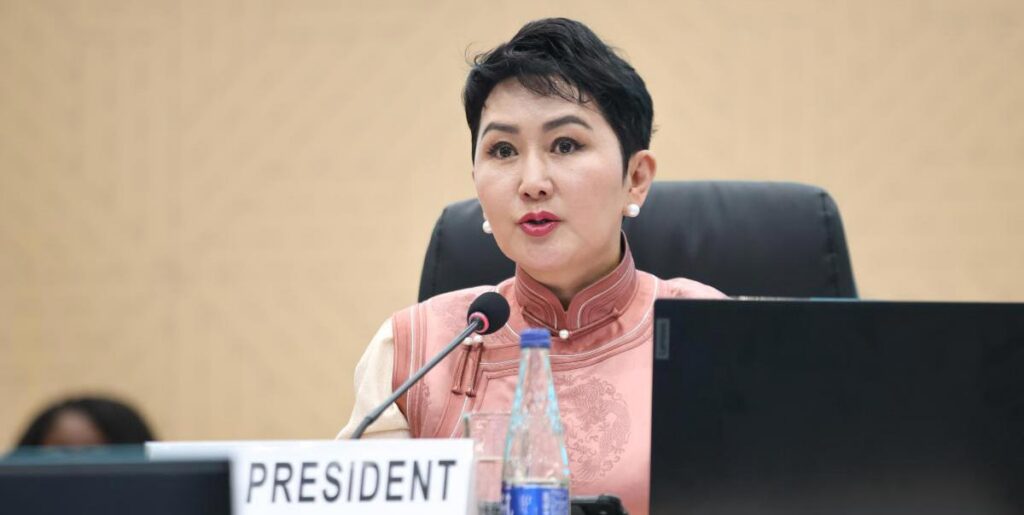
Yet there was another side to this story: it revealed the strength and organisation of women from civil society in response to what was happening. Women’s groups coordinated, exchanged information and defended existing commitments. The Gender Caucus remained an important space, while vital connections with Indigenous Peoples, Local Communities and broader civil society became particularly visible.
At the same time, the formal Gender Caucus session saw limited attendance from Parties, in part due to repeated programme changes and competing sessions. This nevertheless highlighted a broader challenge: meaningful participation requires not only creating spaces for dialogue, but also ensuring conducive conditions for Parties to engage effectively in them.
Institutional capacity is another concern. The Secretariat currently lacks the funding needed for a dedicated Gender Officer to coordinate and facilitate gender-related work across the Convention. There is a question of coherence. Parties cannot call for stronger gender mainstreaming while leaving the Convention without adequate capacity and resources to carry it forward. Support must move from words to concrete action, particularly from developed country Parties with greater capacity to provide financial support.
The COP17 experience has thus emphasised the importance of ensuring that gender equality does not depend solely on having a dedicated agenda item. It must be embedded across the Convention’s work, including drought resilience, land tenure, rangelands and pastoralism, finance, science and, very importantly, the future post-2030 Strategic Framework.
At the same time, mainstreaming gender cannot become an excuse for removing dedicated spaces where progress, gaps and accountability can be addressed. This is particularly important when we look beyond the negotiation rooms. Women are managing land, producing food, protecting biodiversity, responding to drought and sustaining communities, while often facing unequal access to land, resources, finance and decision-making. Indigenous and pastoralist women leaders bring knowledge and perspectives that are indispensable to building resilient territories.
For Drynet, I believe the road to COP18 offers an important opportunity. Through our advocacy, grassroots networks, capacity building and mentoring, we must help ensure that women’s experiences from drylands reach the Convention and that women – particularly young, Indigenous, pastoralist and local community leaders – have the capacity and spaces to influence decisions.
I left Mongolia grateful for the extraordinary collective work I witnessed, but also with a renewed conviction that rights and progress achieved over decades must be defended every day. Gender equality is not an additional consideration in achieving land degradation neutrality, it is part of what makes this goal possible.