Finding Common Ground for Collective Advocacy at COP17

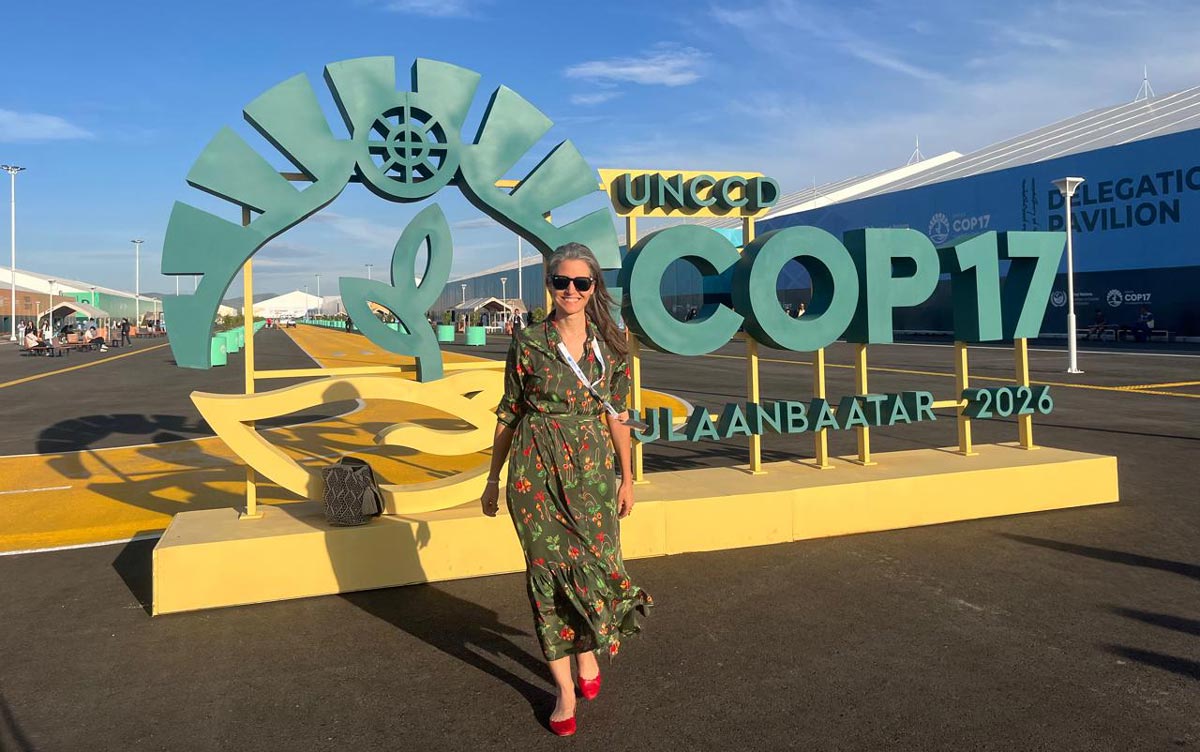
Cristal Ange on UNCCD COP17 grounds.

By Cristal Ange, Fundacion Herencia Ambiental Caribe (Colombia)

Ahead of COP17, my main hope was to better understand how civil society actually participates in the UNCCD. I had attended previous COPs, including COP16, but mostly as a participant in thematic events and forums. Through the CS4LDN Mentorship Programme, I wanted to go beyond that experience and understand the formal processes: How do civil society organisations (CSOs) organise themselves? How do they develop collective positions, engage with Parties and the Secretariat, and find meaningful entry points into negotiations? I also hoped to strengthen the bridge between the local work we do with communities in Colombia and the international processes that shape priorities and resources for land restoration and sustainable land management.

One of the strongest moments for me was entering the formal COP process and learning about the spaces available for CSO. For the first time I followed official meetings closely and contributed directly to CSO statements. It felt like entering a different world. At the same time, I learned that participation is not automatic: even in spaces designed to be inclusive, it can be difficult for newcomers to understand where they can contribute and how their input will ultimately shape a collective message.

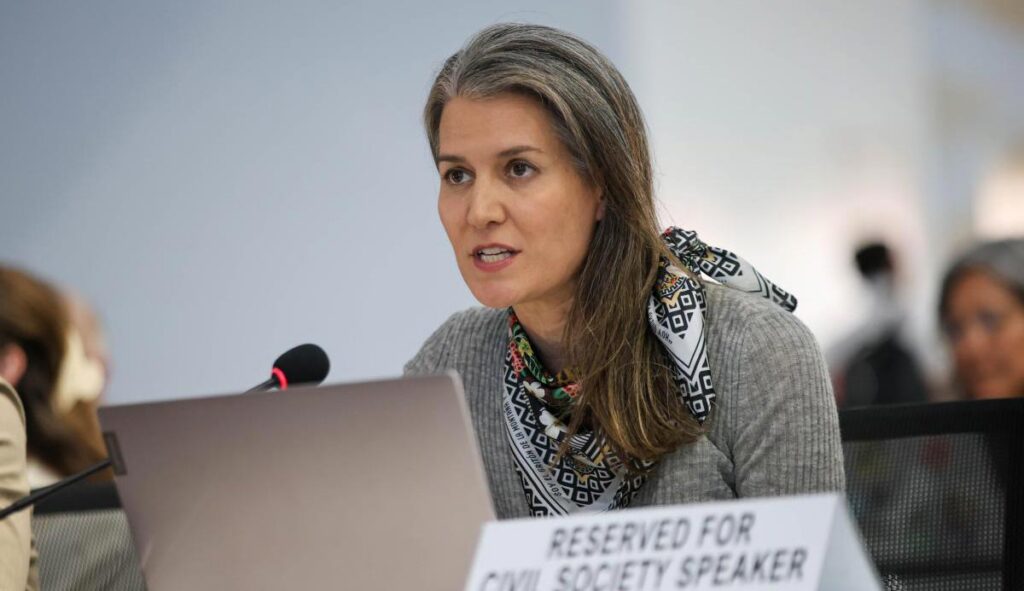
Cristal Ange presenting a statement on behalf of CSOs in Plenary. Photo by IISD/ENB | Anastasia Rodopoulou.

The experience stretched my understanding of collective advocacy. I saw how much knowledge, coordination and trust is required to develop shared positions among organisations from very different regions and backgrounds. It also reinforced something that has become central to my vision of Land Degradation Neutrality: land governance is not only a technical question. It is about learning to work together across different understandings of land, restoration and development, and finding the common ground needed to sustain food systems, ecosystem services, and the cultural relationships that connect people to land.

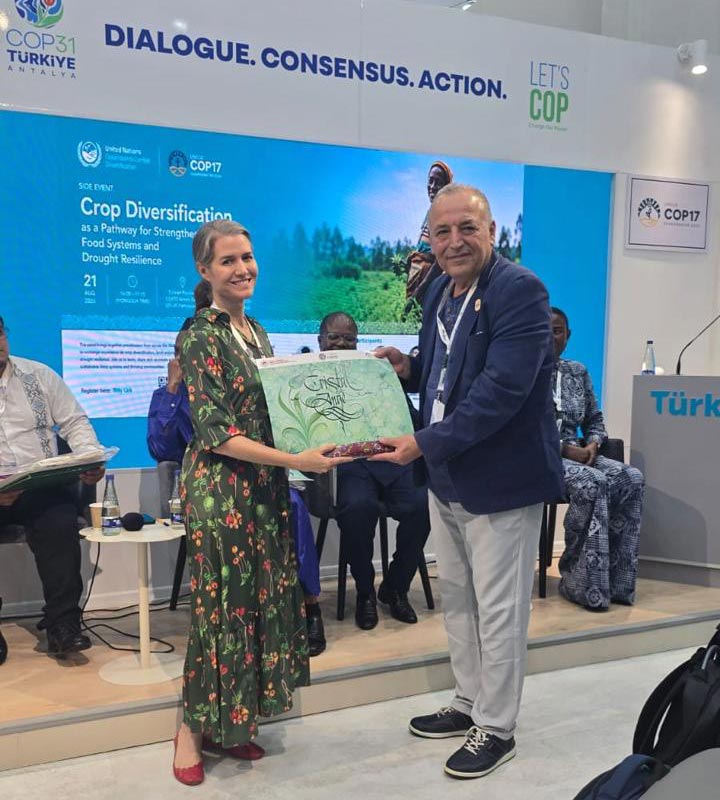
Cristal Ange Cristal Ange receives a calligraphy artwork as a gesture of appreciation from Mustafa Hakki Aydogdu, after speaking at an event hosted by the Government of Türkiye.

Mongolia also opened many unexpected opportunities. Conversations at the COP led to possible collaborations around Indigenous Peoples, restoration and the sacred values of water. New connections with organisations and funders working in Latin America and internationally were established; along with new ideas around green businesses, community-led monitoring and future funding opportunities. Some of the most valuable exchanges happened outside formal sessions – with colleagues from Africa, Australia, Latin America and other regions whom I might never otherwise have met.

Perhaps the most important outcome of attending COP17 as a CS4LDN mentee is a change in how I see my own role. My work has always been deeply rooted in territories and communities, but I now understand more clearly the importance of connecting that local experience to a wider global network. My aspiration is not simply to participate in international spaces, but to help create pathways for other NGOs and community organisations to participate, build alliances and access the opportunities needed to continue their work. That, for me, is one of the greatest values of the CS4LDN mentorship.

Related Posts

Stay connected and sign up to our newsletter

Intuit Mailchimp

Generic selectors
Exact matches only
Search in title
Search in content
Post Type Selectors
post
page
member
Filter by Categories
Uncategorized