By Gilmer Yuimachi Castro, Bari Wesna (Peru)
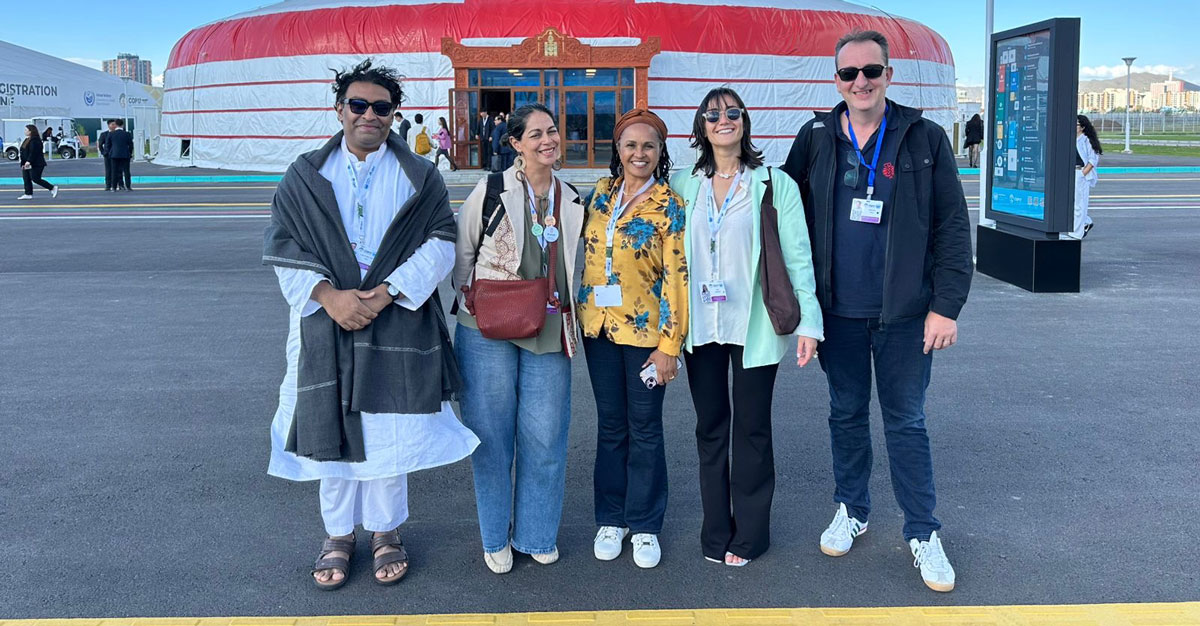
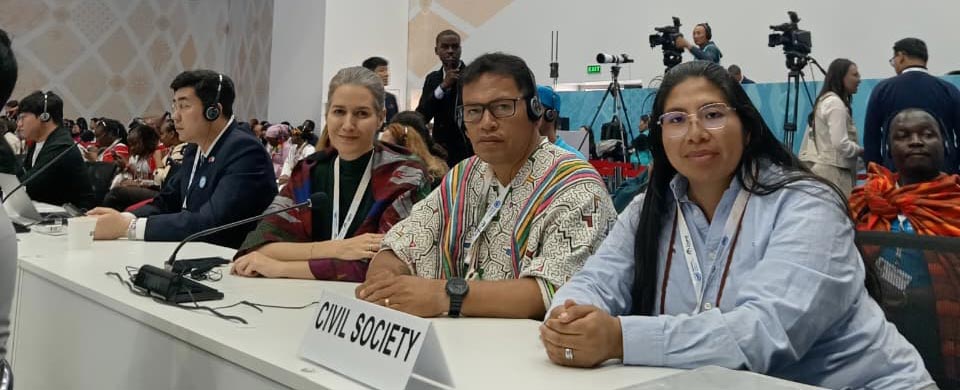
Participating in COP17 in Mongolia was a very important experience for me, both personally and as a representative of the Asociación Intercultural Bari Wesna Intercultural Association and the Indigenous communities we work with in the Peruvian Amazon.
Before the trip, I had many expectations. I wanted to better understand how challenges related to land degradation, ecosystem restoration, and financing are addressed at the international level. Above all, I wanted to bring the experiences, concerns, and voices of the Indigenous Peoples of the Peruvian Amazon into this important space.
One of the most valuable aspects was the intercultural exchange. I had the opportunity to meet and listen to people from different countries, cultures, and traditions. This helped me understand that, although we live in very different territories, we face similar challenges: land degradation, the impacts of climate change, biodiversity loss, and the urgent need to find solutions that directly involve local communities.
It was also encouraging to hear representatives of major international financing mechanisms, such as the Global Environment Facility (GEF), speak about opportunities that can benefit Indigenous Peoples. For us, this is a fundamental issue. Indigenous Peoples and communities protect our territories, conserve forests, and take concrete action to address environmental degradation, yet we still face many barriers to accessing financial resources directly.
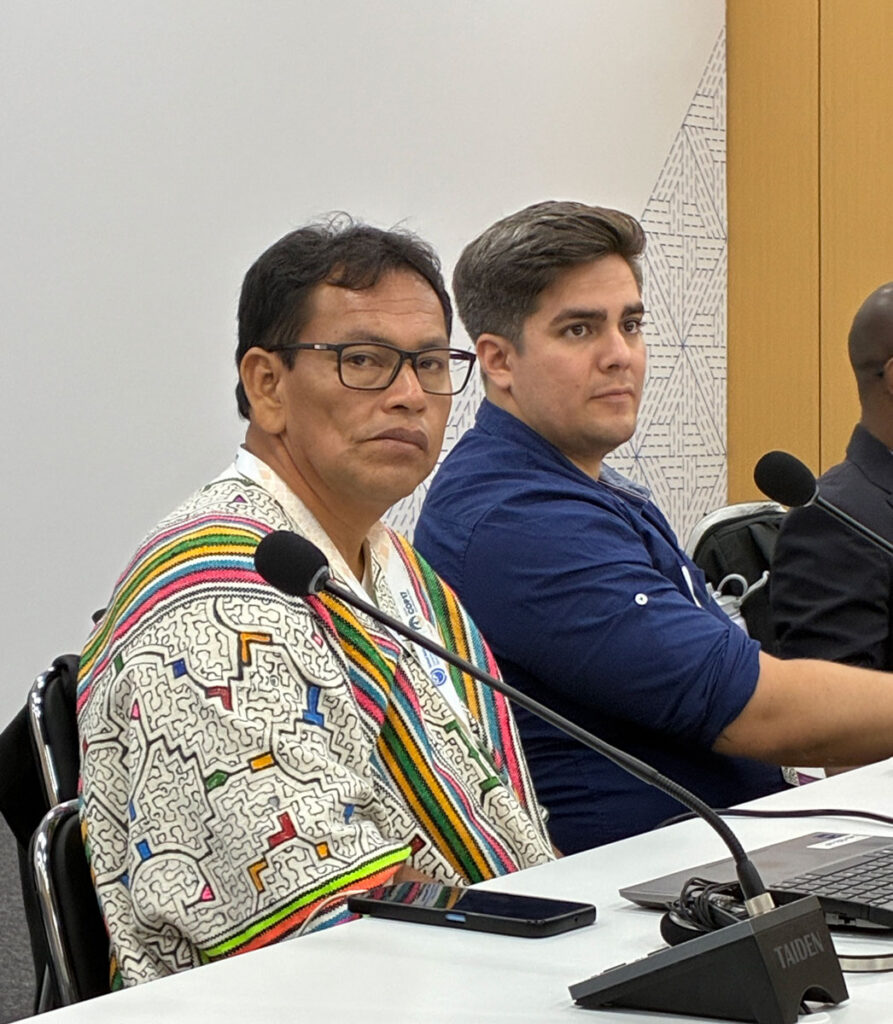
A particularly meaningful moment was the opportunity to present Bari Wesna’s work in the Peruvian Amazon. At a Drynet side event, I shared our experience working with ten Indigenous communities affiliated with the Federacíon de Comunidades Nativas del Ucayali y Afluentes (FECONAU), focusing on Indigenous-led monitoring, territorial protection, and strengthening community capacities. It was important for me to demonstrate that Indigenous Peoples not only hold ancestral knowledge, but we also have practical experience and concrete solutions that can contribute to global goals for ecosystem restoration and combating land degradation.
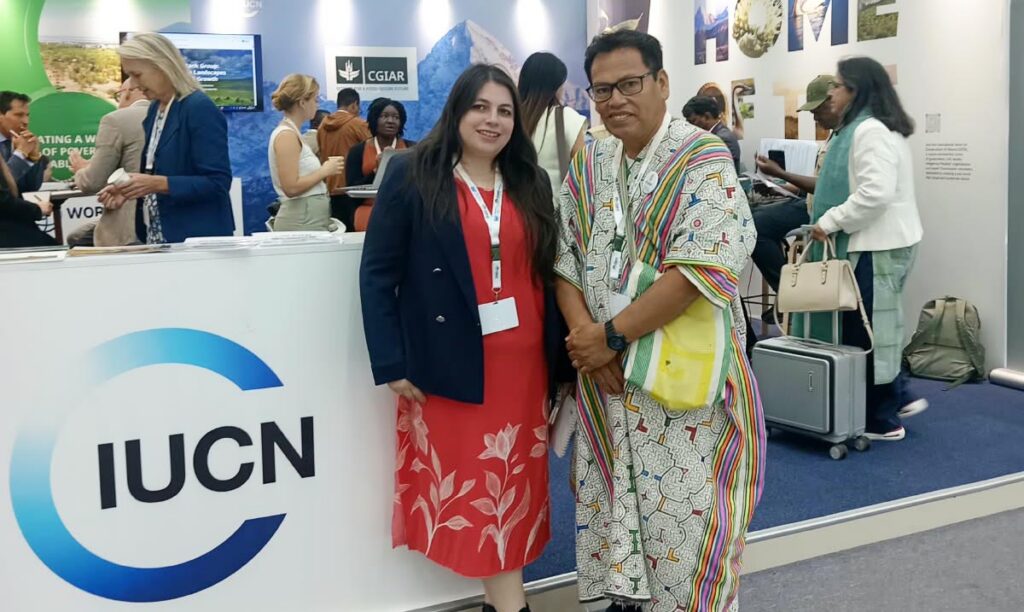
COP17 also left me with some critical reflections. In these major international spaces, we hear many commitments and promises, but we need to see them translated into concrete action in our territories. There are also many procedures, documents, and requirements that can become barriers for Indigenous and community-based organisations. We need more accessible mechanisms that enable financing to reach those who live and work in the territories.
One of my main challenges was the language barrier. Not speaking English sometimes limited my ability to communicate and participate fully. Nevertheless, I made every effort to listen, understand, and share our experience. This challenge became a personal motivation to continue learning English and to be better prepared for future international spaces.
Finally, I am grateful to Drynet and the CS4LDN Mentorship Programme for this opportunity. I return to the Peruvian Amazon with new knowledge, new connections, and a broader perspective. Above all, I return convinced that Indigenous Peoples should not be seen merely as beneficiaries. We must be recognised as actors, partners, and leaders in developing solutions, decision-making and gaining direct access to the resources needed to turn global commitments into concrete action in our territories.