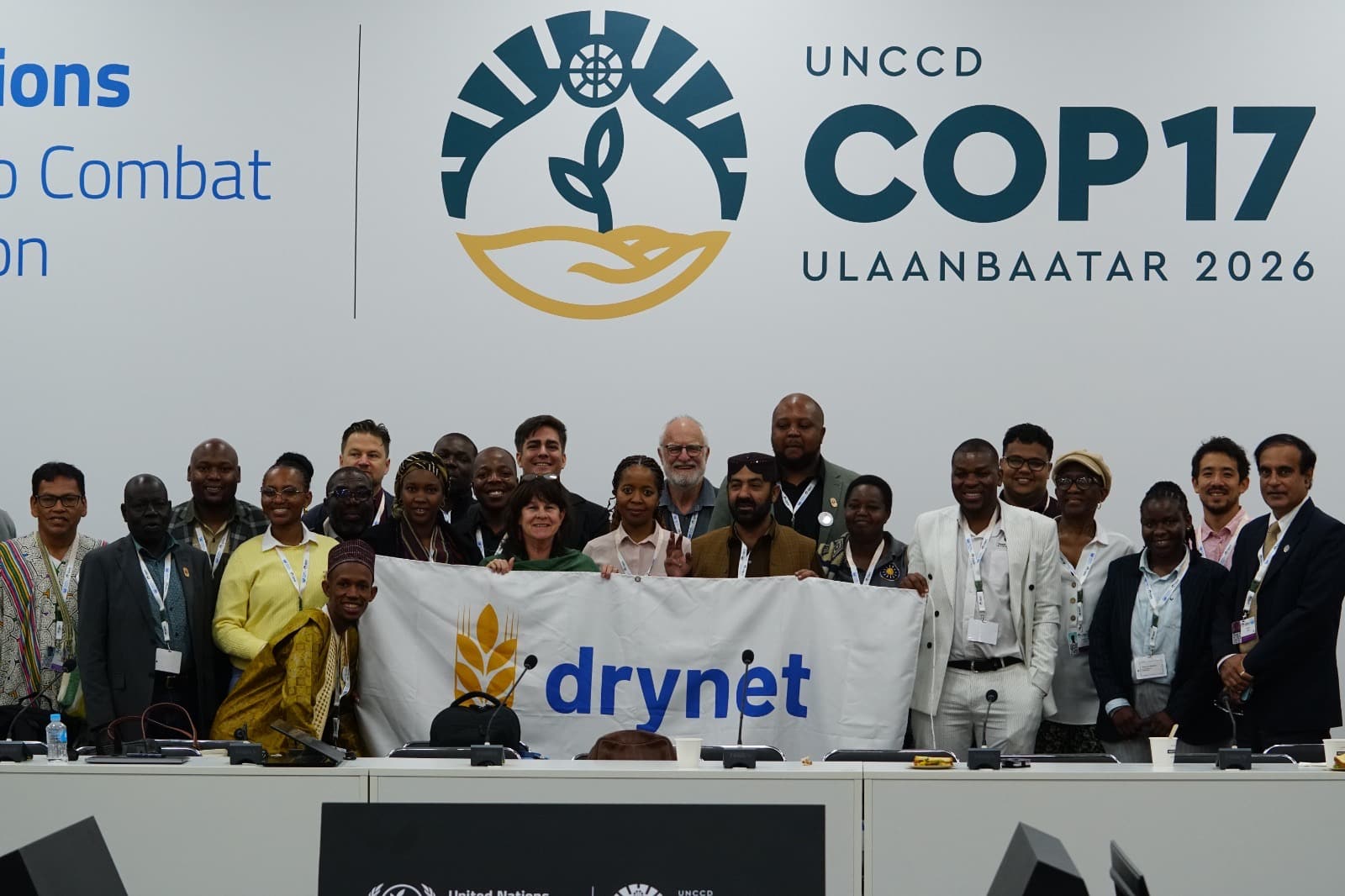
By Yu Lu, Isha Foundation
As I looked around at the myriad faces in the cosy meeting room of Radisson Hotel in Amador, Panama City, I couldn’t help but be awe-inspired.
It was the first time the mentors and mentees of the CS4LDN Mentorship programme were meeting in person. We had flown from Kenya, Mongolia, India, Peru, the Netherlands, South Africa, and many more, to set a direction for the programme, form personal and collective goals, share our stories, and learn from each other. The Mentors were seasoned professionals with years, if not decades, of experience in the UNCCD space, who, through their hard work, sweat, and tears, have learned the nooks and crannies of the convention.
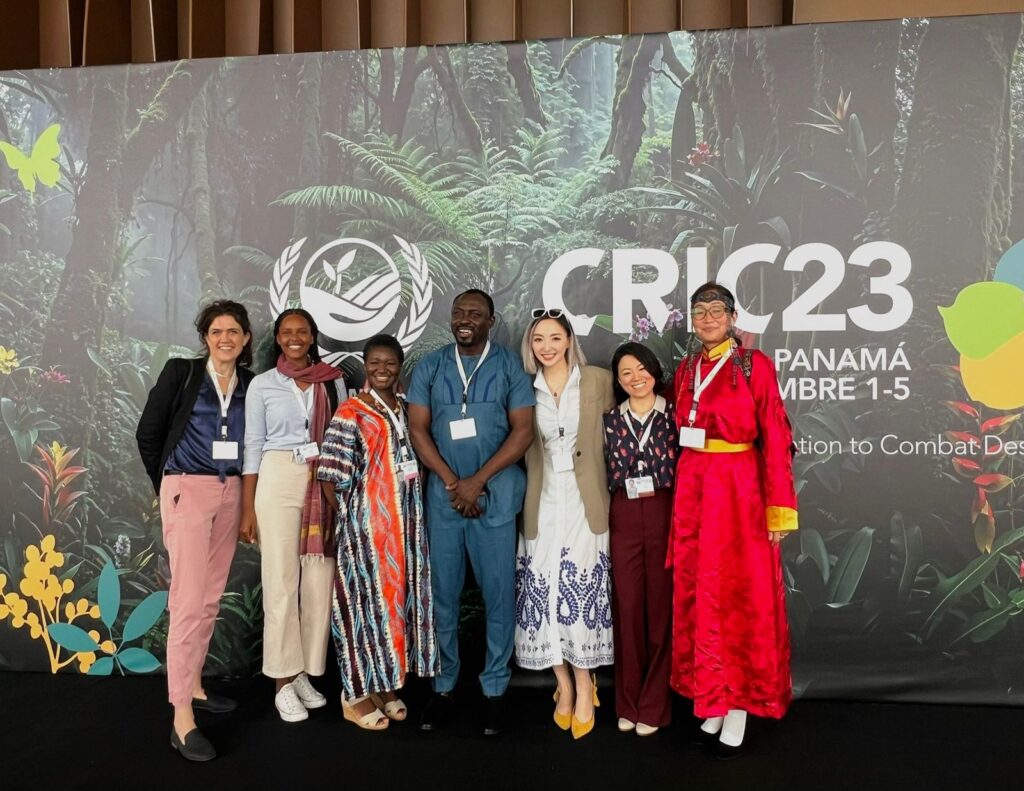
Sitting there, having only attended one UNCCD COP in Riyadh 2024 (with a few of us not having been to even one), I felt like I had won a golden ticket. It was an exclusive access to the hard and soft knowledge of the internal workings of the UNCCD that I never would have found on my own. As the afternoon progressed and our sense of community was solidified through laughter, stories, and knowledge sharing, I realised this was what my heart had longed to see since Riyadh – civil society coming together to support each other, breaking barriers of cultural, language, economic and educational differences to reinforce the recognition that we are unified by the goal of human and planetary wellbeing, and that the only way to get there is through empowering each other. No matter the type of environmental restoration work, it comes back to empowering human beings to be a solution to the problem. This is also what the Conscious Planet Initiative – Save Soil Movement seeks to do (Yu Lu works for the Isha Foundation, and within this she is part of the Conscious Planet Initiative).
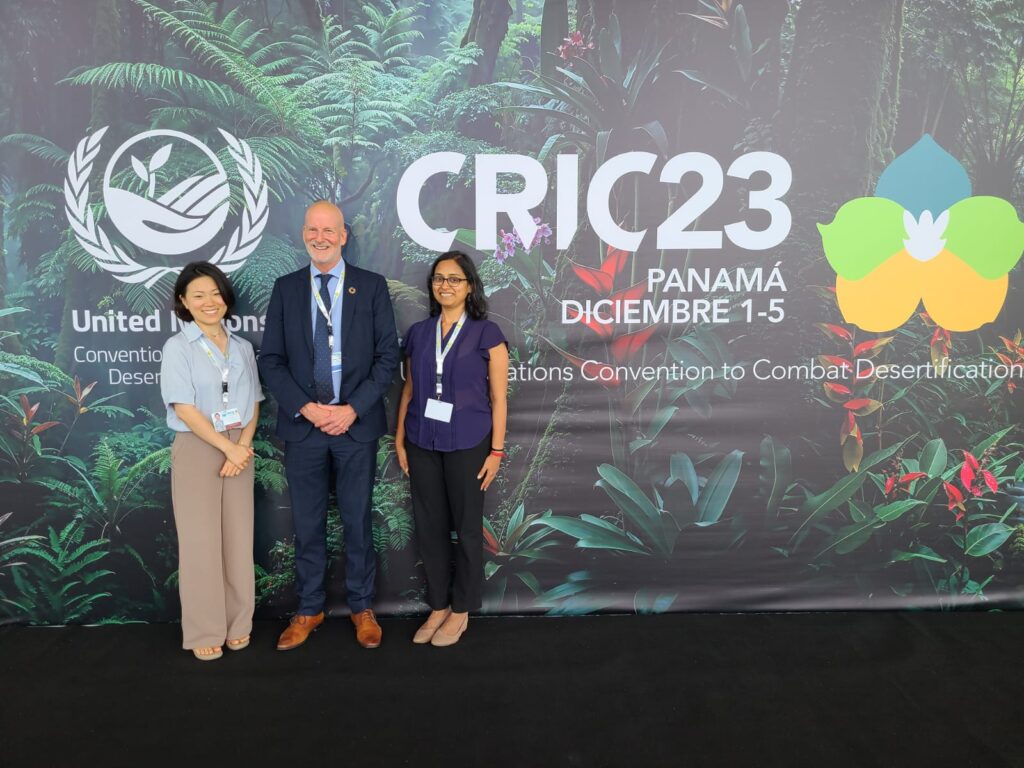
With this, we headed to CRIC23 the next day, opened by a great plenary welcome, daily CSO meetings by the amazing CSO Panel, chances to edit and deliver CSO statements at plenary sessions, and a packed schedule of informative side events including open consultations on the UNCCD’s Future Strategic Framework and the FAO’s Guidance on Decision 19 / COP16 “Avoiding, Reducing, and Reversing Land and Soil Degradation of Agricultural Lands.”
I was inspired by the bond, strength and resolve of the Youth Caucus, the Gender Caucus, and the Indigenous Peoples group. CRIC23 was much less hectic and populated than COP16. Thus, there was more opportunity to forge new connections, engage in longer conversations, and strengthen relationships. I left Panama feeling nurtured and blessed to be part of the CS4LDN project and excited for the journey with my mentor and all the other mentors and mentees of the CS4LDN mentorship programme and what we can create for CSO voices on the road to COP17 in August, in Ulaanbaatar, Mongolia.