ENDA TM, a Drynet member based in Senegal, actively participates in the Strategic Investment Program (SIP) for scaling up Sustainable Land Management (SIP-SLM) in Sub-Saharan Africa. This initiative, supported by the Global Environment Facility (GEF) and coordinated by the United Nations Environment Program (UNEP), is a concrete response to the growing challenge of achieving Land Degradation Neutrality (LDN) in the region.
The SIP-SLM was launched at a workshop in Dakar in November 2025. Through the programme, institutional support is extended at both regional and sub-regional levels via NEPAD and the four Regional Economic Communities (RECs) – ECOWAS, IGAD, SADC and ECCAS). This approach allows countries to strengthen their capacity to implement SLM practices, improve livelihoods based on natural resources, and reduce the land degradation and associated ecosystem services in targeted areas.

Aligned with their voluntary commitments to Land Degradation Neutrality (LDN), participating countries emphasise the exchange of lessons learned and knowledge sharing to inform the development of public policies. Knowledge management, along with monitoring and evaluation, form essential pillars of the SIP system, ensuring that experiences and evidence inform future planning and implementation.
Key objectives of the programme include:
- Analysing policies, strategies, and programmes related to SLM, and assessing countries’ voluntary commitments to LDN;
- Developing a coherent regional response strategy for achieving LDN through inclusive, multi-stakeholder processes within the four RECs;
- Strengthening partnerships and synergies among diverse stakeholders and integrating knowledge and evidence on SLM into national and regional planning and implementation frameworks.
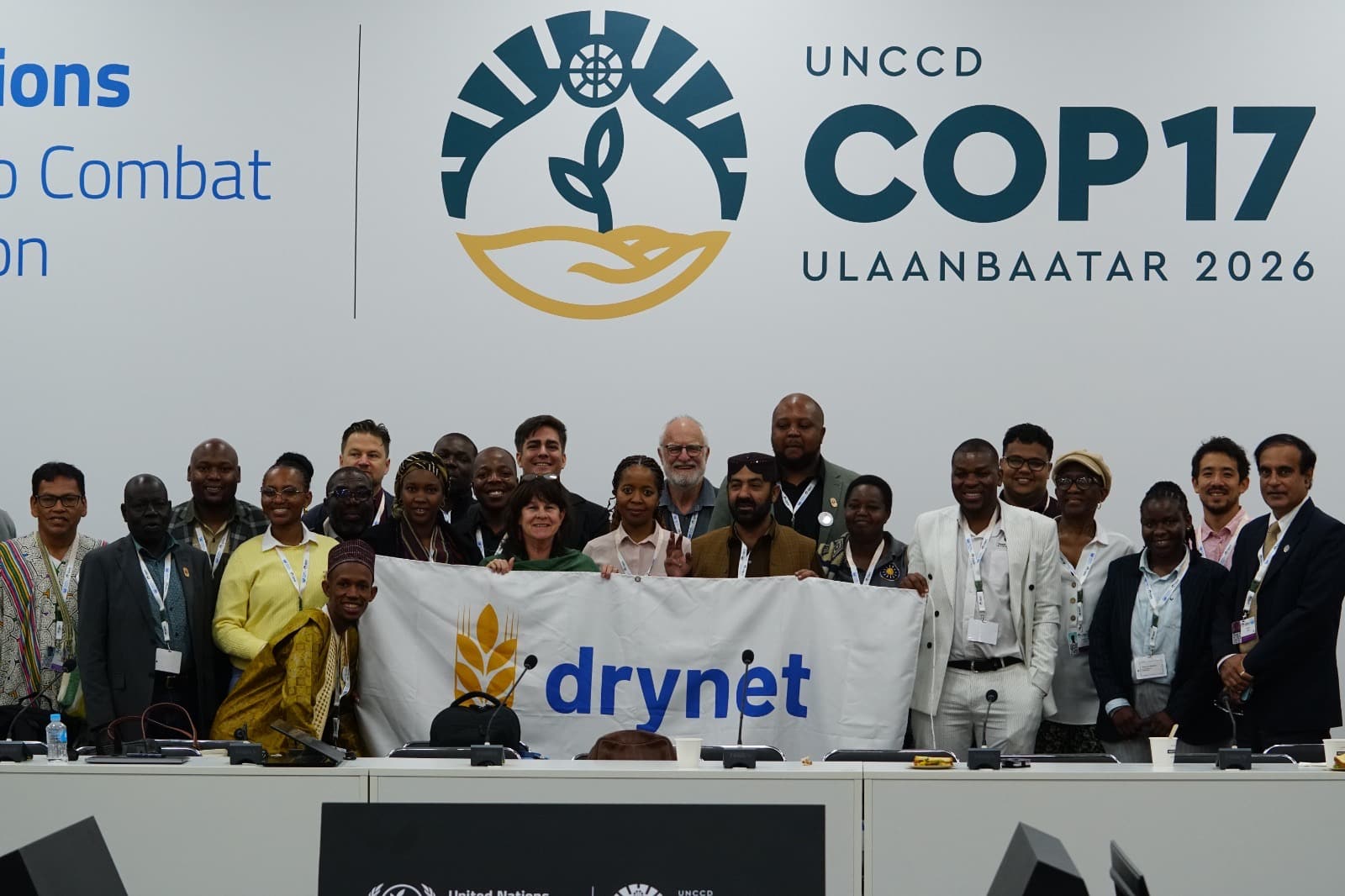
ENDA plans to organise a number of activities that complement those of the CS4LDN project, including a training workshop on LDN targets, a regional workshop on LDN/SLM in Sub-Saharan Africa and side events at COP17.
By supporting these objectives, the SIP contributes to improved natural resource management, greater resilience of rural communities, and long-term sustainability of ecosystems across Sub-Saharan Africa.