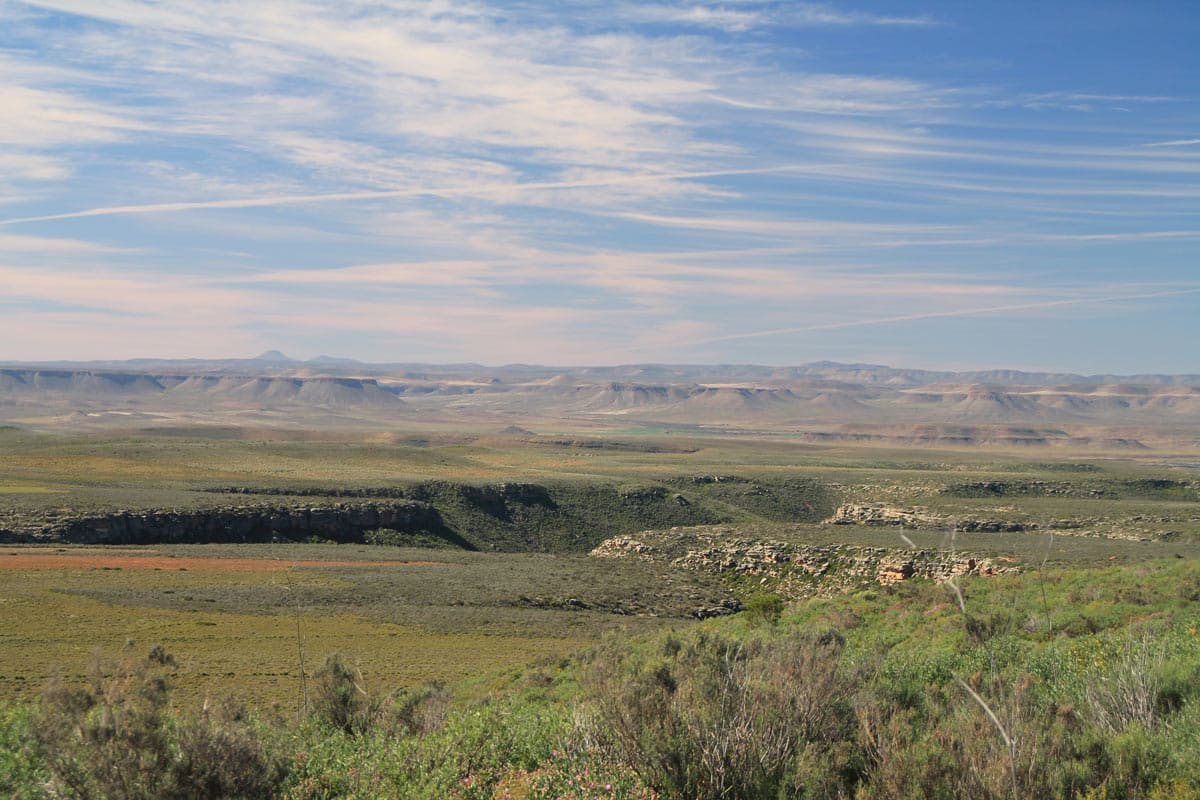
Western Highlands of Cameroon are a fabulous landscape of green mountains and clear streams feeding fertile floodplains. Over many decades, land degradation, climate variability, and unsustainable land use have come to threaten the invaluable forests and water systems, as well as the livelihoods of the local communities. Today, this trajectory is changing. Remarkably, this process is being led by these communities themselves.
With the support of AJESH (Ajemalebu Self Help), local communities in the Bapouh-Bana landscape are restoring degraded forests and flood plains while strengthening inclusive governance systems. This initiative offers a powerful example of how community-driven solutions can advance Land Degradation Neutrality (LDN).
The process has evolved under the umbrella of the COBALAM project[1], which is providing additional resources and impetus to this community-based initiative.
[1] Removing barriers to biodiversity conservation, land restoration and sustainable forest management through Community-Based Landscape Management
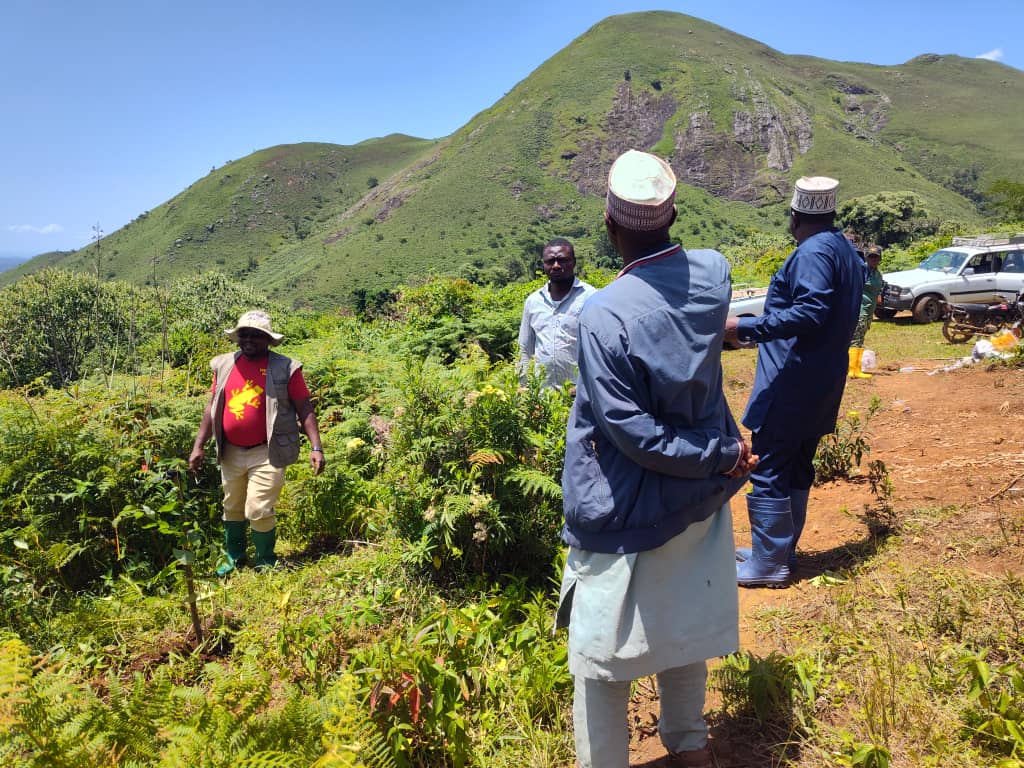
Easy access to suitable seedlings in key to restoring degraded forest areas. The Balambo community tree nursery has become a hub for restoration activities within the Bapouh-Bana landscape. Members of the local communities worked together to prepare the nursery site, establish seedbeds, and cultivate native tree species suitable for restoring degraded forest areas. These seedlings have been given new homes by local farmers seeking to reinvigorate the ecosystems that they depend upon for their crops.
The nursery created a space for community learning and collaboration, where participants exchanged knowledge on agroforestry practices, tree cultivation, and sustainable land management. Beyond its ecological benefits, the nursery has strengthened community ownership of restoration activities. To date, it has produced nearly 12,000 seedlings, which have been used to restore 25 hectares of degraded land, including forests, farms, and water catchments.
The lasting value of projects such as COBALAM lies in their being situated within on-going processes of revival of ecosystems that last well into the future, beyond the life-span of the project itself. In Bapouh-Bana local people are actively involved in protecting and restoring their landscape, investing their hard work and their dreams in a greener and more sustainable future. Beyond the regeneration of the forests, the activities generated by the nursery have built ownership, skills, and enhanced a sense of collective responsibility, ensuring that restoration efforts continue well into the future.
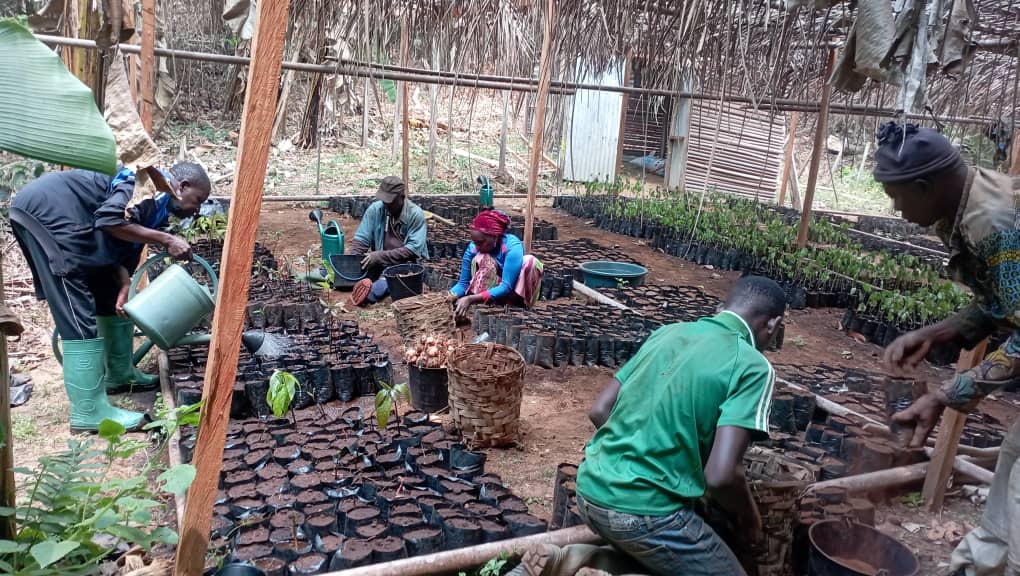
Species Diversity and Reforestation Scale
To ensure both ecological health and community buy-in, the community members have selected diverse tree species tailored to specific land-use needs. The reforested sites have been mapped, including critical water sources and catchments. The tree species selected include fruit trees such as avocado and guava, native agroforestry species (Gmelina) that create synergies with crops while also producing valuable timber, water-sensing species (Raphia) for the restoration of flood plains, water catchments and sacred sites and Eucalyptus for marking boundaries and reducing pressure on natural forests.
“Before, we watched our land degrade. Today, we are restoring it—and women are leading this change.” Community leader, Balambo
Women and young people have played a crucial role in this initiative, ensuring that restoration is a cross-generational effort. 31 women are actively leading restoration activities within the 25-hectare reserve, and women are also playing a key role in long-term forest governance. Women’s groups manage the nursery and organize planting activities, and their contribution highlight the role of women as key actors in environmental stewardship and local resource management.
To enable young people to use GIS technologies to monitor impacts on the land, AJESH has trained 23 youth members of the Village Forest Management Committees. Using these skills, they have been able to do participatory mapping to monitor forest health and carbon sequestration.
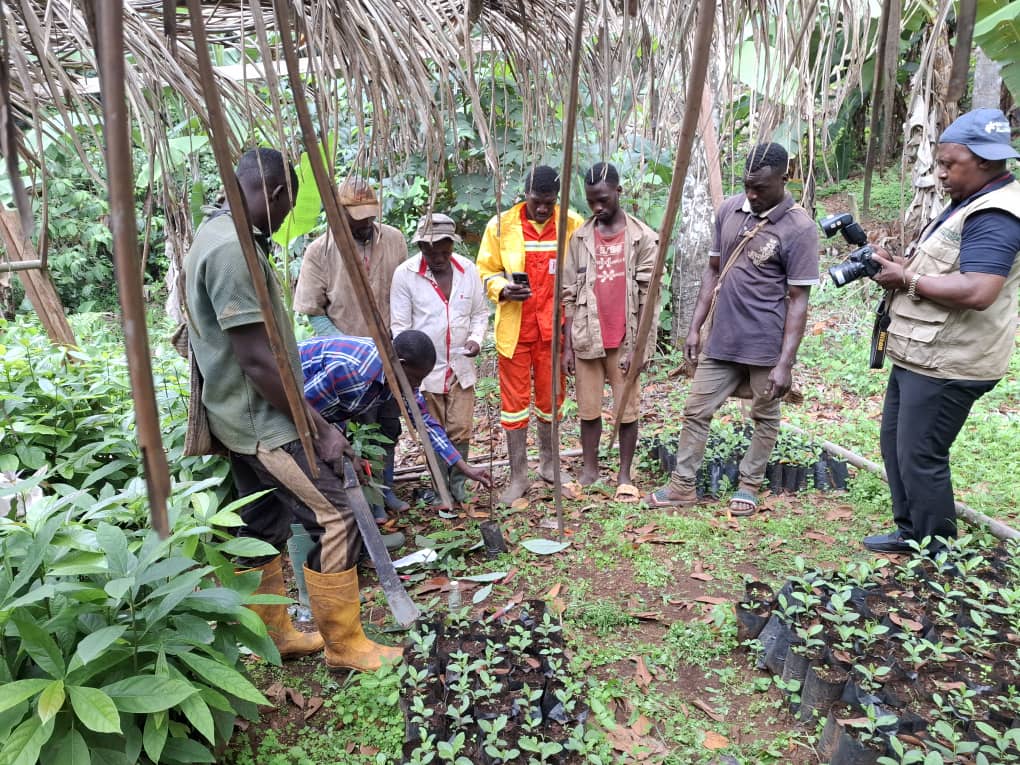
Youth groups played an important role in mobilising communities during restoration campaigns and raising awareness about the impacts of land degradation. Through their engagement, young people became local ambassadors for sustainable land management within the Bapouh-Bana landscape.
This process has also included members of the indigenous Mbororoh community, whose indigenous knowledge has contributed to the restoration efforts by identifying locally adapted tree species and traditional practices that support ecosystem recovery.
Through its investment in this process, AJESH is not just supporting local communities to plant forests; it is growing a sustainable governance framework that can protect Cameroon’s Western Highlands for generations to come.
Training has played a crucial role in the process, and has gone beyond silvicultural practices and nursery management to also include forest monitoring. Young people from the community enable land users to generate shapefiles and maps of their own land, which in turn provide data that can be fed into national LDN reporting. This “bottom-up” approach using open-access geospatial data and automated fire alerts fosters local ownership and on-going monitoring. By embedding these digital tools within local governance structures, a transparent, low-cost framework has been created that contributes to the long-term ecological integrity of the restored landscapes.

The COBALAM project demonstrates that LDN is achievable when ecological restoration is combined with social inclusion and local governance.
By restoring land, empowering women and youth, and embedding knowledge within communities, this process is not only regenerating ecosystems—it is shaping a resilient, community-driven model for sustainable landscapes in Cameroon and beyond.
Acknowledgment
AJESH acknowledges the support of the Rainforest Alliance through a GEF-funded micro-grant, which enabled the restoration of 25 hectares, the planting of over 11,000 trees, and the strengthening of community-led governance systems for long-term climate resilience.