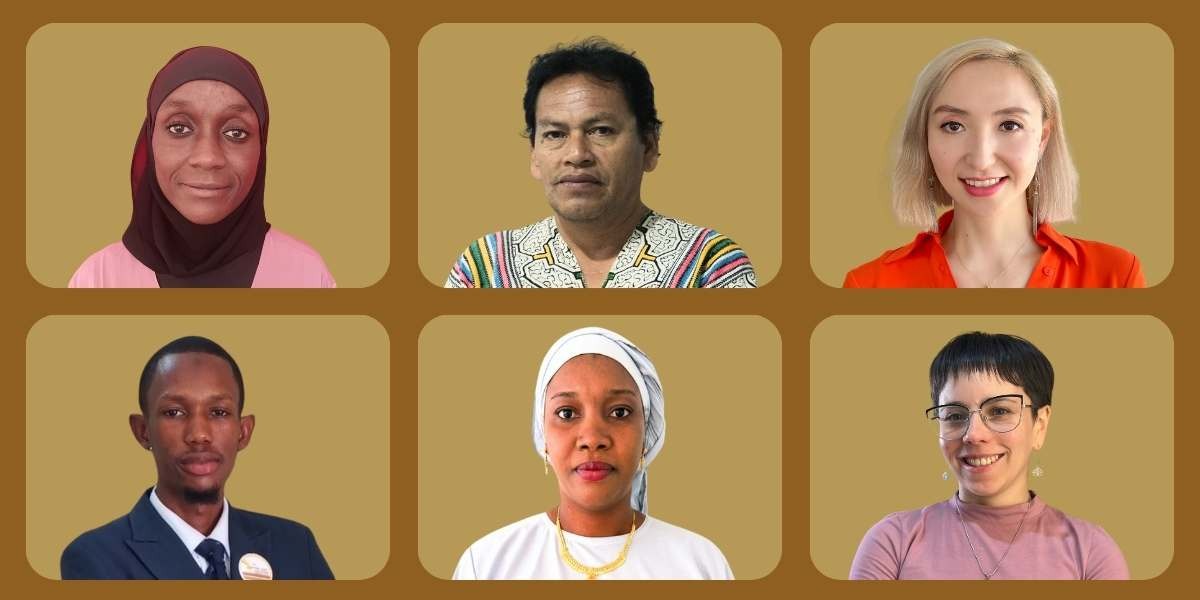
Meet the CS4LDN Mentees:
Local Voices Shaping Global Land Restoration
Six of the twelve mentees in the CS4LDN mentorship programme share their perspectives. From West Africa to Latin America and Mongolia, they reflect on what the mentorship means to them, including what Land Degradation Neutrality (LDN) represents in their
contexts, their vision for the future, and the challenges they face in advancing land restoration on the ground.
The CS4LDN mentorship programme strengthens civil society’s voice in global land governance by connecting experienced advocates with emerging leaders. This knowledge transfer equips a new generation of advocates with the skills and networks needed to engage effectively in international discussions on land degradation and desertification.
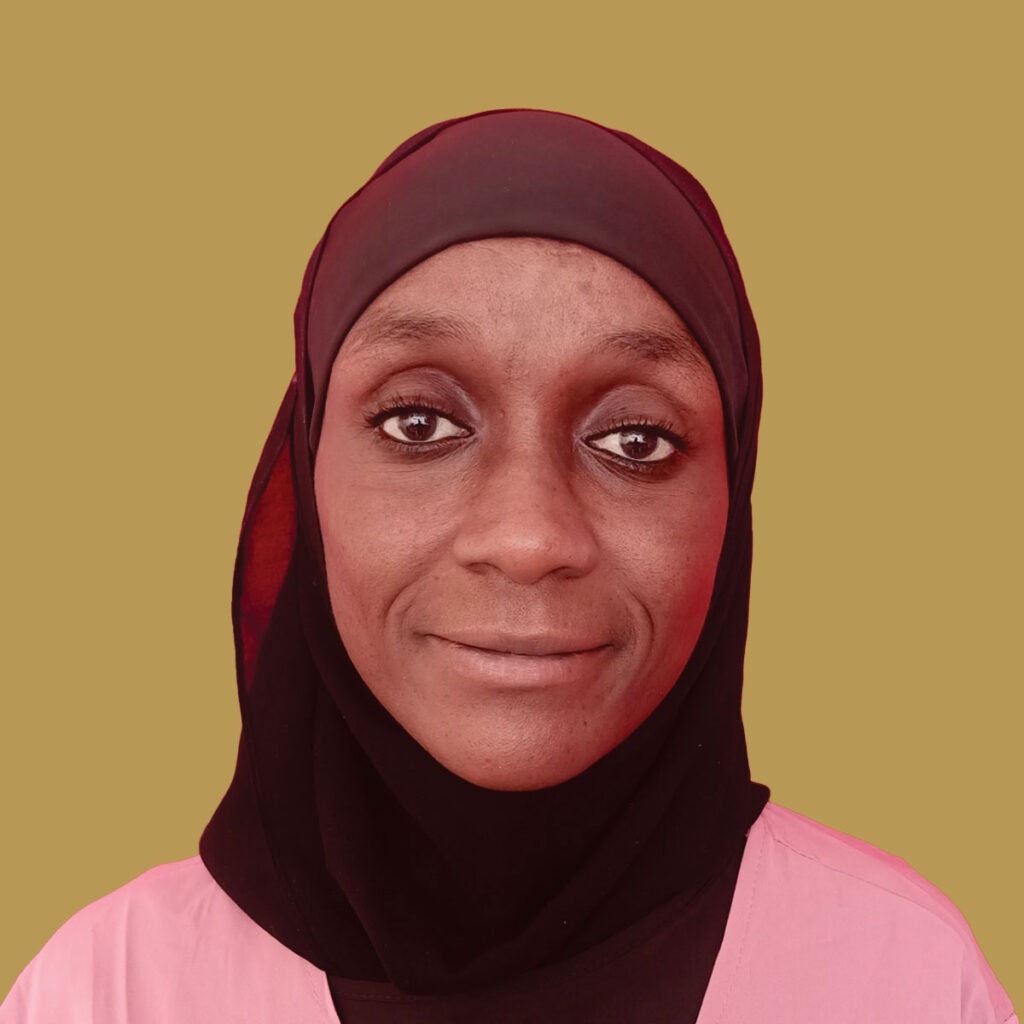
Dr. Fanna Abdou Gado
Chair of the Board, Young
Volunteers for the Environment
(JVE-Niger) | Niger
Fanna leads youth-driven action focused on environmental protection and sustainable development.
Mentorship: The programme is helping her strengthen communication, negotiation, and leadership skills to better advocate for land restoration.
Vision for LDN: LDN means preserving biodiversity and soils in order to maintain the few resources we depend on and pass healthy ecosystems on to future generations.
Key Challenge: Rapid population growth, land overexploitation, desertification, drought, and insecurity continue to put increasing pressure on already fragile ecosystems.

Abdoul Aziz Sidibe
Head of Operations, The SoilSolution | The Gambia
Abdoul coordinates field projects and strategic initiatives that promote regenerative agriculture and combat soil degradation.
Mentorship: The mentorship has strengthened his ability to connect local restoration efforts with global policy processes, particularly within the UNCCD, and to amplify community voices from Guinea and Gambia.
Vision for LDN: LDN means restoring and protecting land while improving livelihoods – empowering farmers, especially women and youth, as leaders of restoration and important drivers of innovation and long-term environmental stewardship, while ensuring productive and resilient landscapes.
Key Challenge: Limited access to finance, technical support, and decision-making spaces continues to constrain grassroots organisations and local communities.
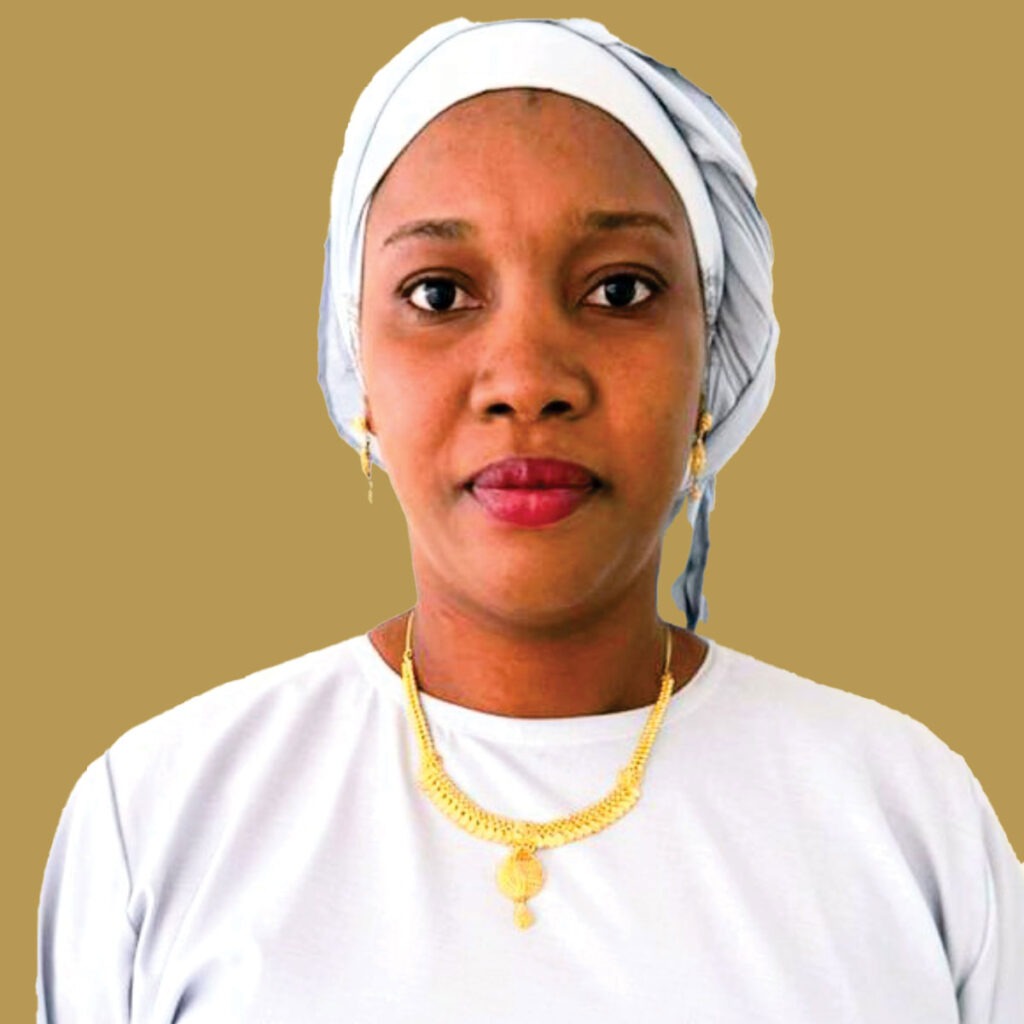
Lalla Aïcha Guindo
Executive Director,ADCE Mali | Mali
Lalla leads climate action initiatives focused on combating desertification and drought through sustainable entrepreneurship, agroforestry, and youth empowerment.
Mentorship: She sees the programme as an opportunity to strengthen her expertise while connecting with a global network advancing land restoration.
Vision for LDN: LDN means restoring and protecting our land so that what is lost through degradation is balanced by what is regenerated, ensuring sustainable livelihoods and resilient communities. It also means empowering local actors, especially youth and women, to lead large-scale restoration efforts across Mali.
Key Challenge: Limited financing, low community awareness, and weak coordination among stakeholders hinder the scaling of effective restoration solutions.

Glenda Inés Mangia
Food and Agroecology Coordinator, Fundación CAUCE | Argentina
Glenda leads initiatives focused on sustainable food systems, environmental education, and advocacy, combining research and community engagement.
Mentorship: The programme allows her to bring a nutrition and human health perspective into UNCCD discussions, while building alliances with global peers and better understanding the UN system.
Vision for LDN: Prioritising soil health is essential, as it directly affects food quality and human well-being. Achieving LDN would represent a major step towards ensuring better living conditions and the right to food security for all.
Key Challenge: Limited meaningful participation of civil society in decision-making processes, alongside political differences among Parties, slows progress towards LDN. Although the United Nations’ diplomatic system provides space for civil society and diverse stakeholders, further efforts are needed to ensure their voices are fully reflected in decision-making.
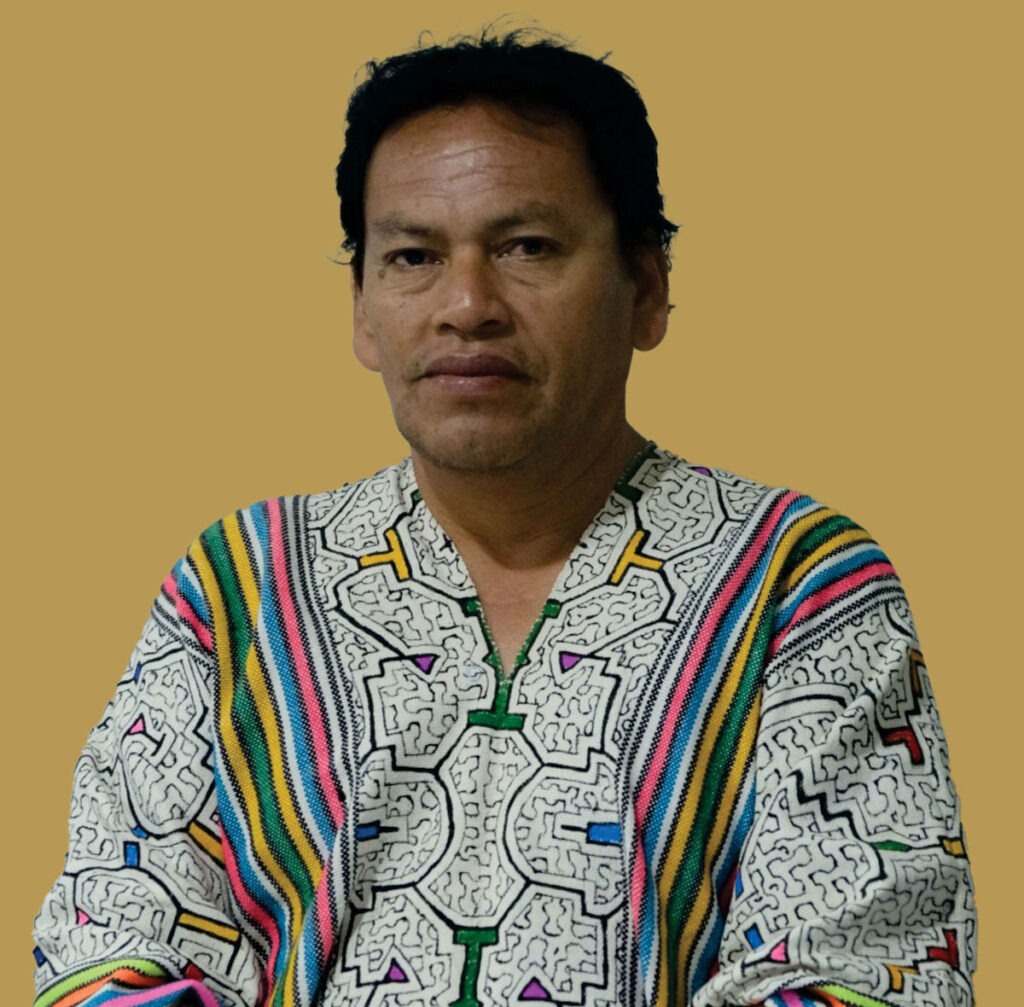
Gilmer Yuimachi Castro
Vice President & Director of Programs, Bari Wesna | Peru
Gilmer leads programmes focused on land management, ecosystem restoration, and the empowerment of Indigenous communities in the Amazon.
Mentorship: The mentorship strengthens his leadership and supports his work to empower Indigenous communities—especially women—in managing their territories.
Vision for LDN: LDN means protecting and restoring Indigenous territories while recognising the central role of ancestral knowledge in sustaining ecosystems.
Key Challenge: Securing territorial rights and strengthening local governance in the face of pressures such as deforestation and extractive activities, alongside the limited recognition of Indigenous knowledge in climate and restoration policies.

Mandukhai Tsogtbal
Lead, Green MongoliaHub | Mongolia
Mandukhai works to bridge climate innovation, green technology transfer, and land restoration, all the while empowering local communities through practical, scalable solutions to restore degraded landscapes and build resilience in the mobile pastoralist communities of Mongolia.
Mentorship: She views the programme as a platform to unite diverse voices and strengthen collaboration to ensure that the realities of herder communities are meaningfully reflected in policy processes.
Vision for LDN: In Mongolia, where pastoralist livelihoods depend on healthy rangelands, LDN means restoring the balance between people, livestock, and land so ecosystems can sustain future generations. This requires combining traditional knowledge with innovation to build resilient, living landscapes.
Key Challenge: Overgrazing, climate-induced droughts, and fragmented land management, alongside limited access to finance and technical support, continue to strain rangelands.