By Ana Di Pangracio (FARN, Argentina)
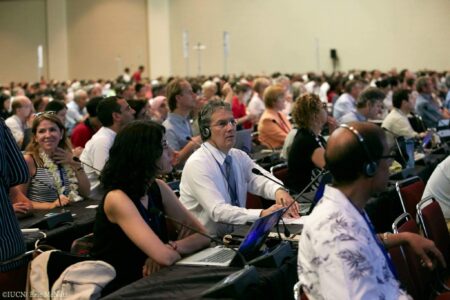
This October in Abu Dhabi, the IUCN World Conservation Congress (WCC) convenes diverse rights-holders and stakeholders – Indigenous Peoples, women, youth, scientists, civil society, governments, and the private sector – with one shared aim: to strengthen our collective response to the critical environmental crises we face.
With over 500 sessions, more than 70 exhibitions, and representation from more than 140 countries, the scale is immense. One of the Congress’s most powerful features is its tripartite structure:
- the Forum, where knowledge, science, and practice meet;
- the Exhibition, which highlights innovations, Indigenous knowledges, and community-led solutions;
- and the Members’ Assembly, the decision-making core where motions are debated and voted on by IUCN members.
The Forum in 2025 will include interactive thematic sessions, training and capacity-building opportunities, speaker pitches, podcasts, and even art exhibitions, signaling how conservation is opening up to diverse formats and audiences.
The Members’ Assembly is often called the “parliament of nature”. Here, members elect IUCN’s leadership, approve the programme and budget, and, through the motions process, set global conservation policy. More than 1,300 resolutions have already been adopted in past Congresses, shaping global treaties, new approaches to Indigenous rights, climate and biodiversity policies, and more.
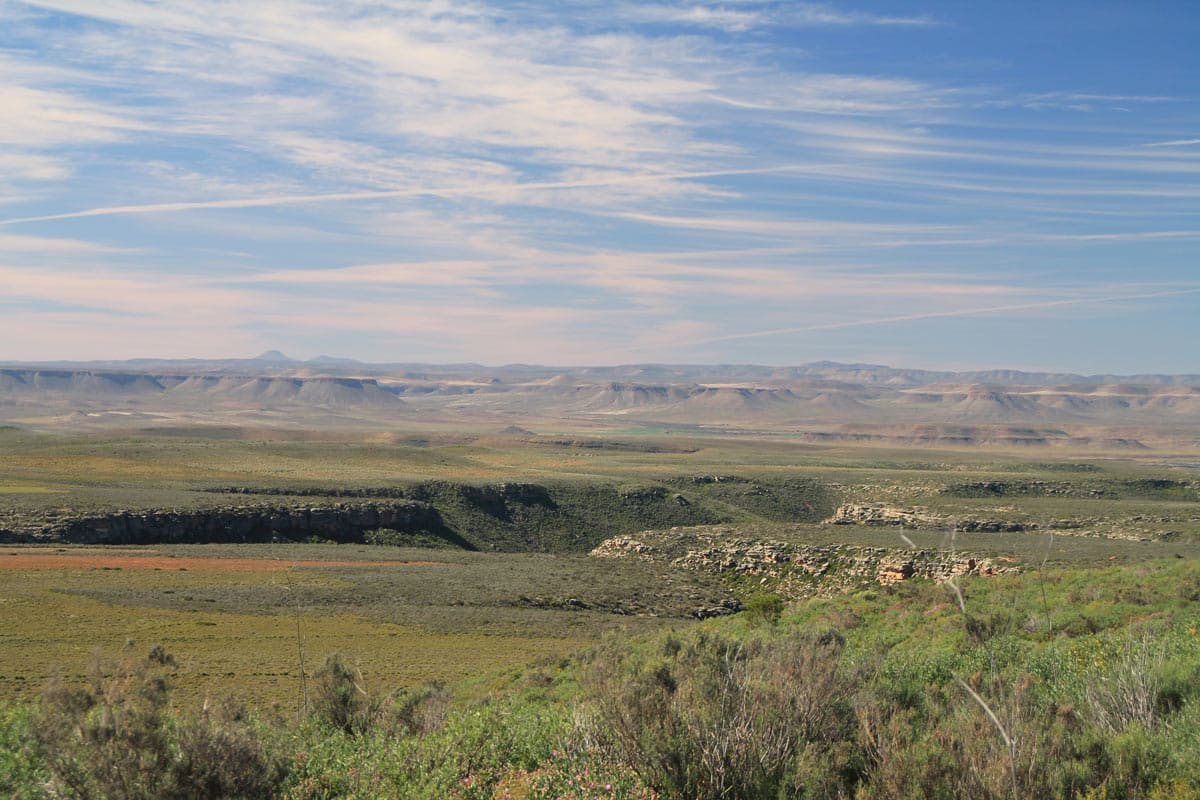
As a global initiative devoted to giving future to drylands, Drynet has long stood at the intersection of conservation, communities, and climate justice. The Congress presents a unique moment in how nature and land is protected and restored. For Drynet and for drylands globally, this structure holds promise. We need forums where the lived realities of those in semi‐arid and arid landscapes, such as droughts, land degradation and undernourishment, are given centre stage, and not treated as side issues.
The WCC emerges as a space to see and promote policies, methods, knowledge, practices, and partnerships that are equitable, sustainable, and rooted in local and Indigenous knowledge systems. At the Assembly, members have the chance to adopt decisions that advance justice in terms of land rights, gender equity, and recognition of dryland dwellers as essential actors in restoration and conservation.
The themes of this 2025 Congress resonate deeply with Drynet’s mission: transformative conservation, sustainable economies, Indigenous leadership, and youth engagement. They underscore that conservation cannot be divorced from social justice; that restoring landscapes means restoring lives; and that policy without participation lacks legitimacy.
Globally, the IUCN Congress is a bellwether: it signals where the conservation movement is heading. Are we going beyond rhetoric and truly dismantling unsustainable economic models, while elevating non-market relationships with land, and redistributing agency in ways that challenge entrenched power? For people in the drylands, the stakes are high: nearly 70% of the world’s seriously undernourished people live in dryland regions, which cover some 41% of Earth’s land area.
As the IUCN Congress unfolds, Drynet looks forward to contributing voices, insights, and demands from dryland communities. May what is decided in Abu Dhabi translate into real change on the ground: landscapes restored, rights acknowledged, livelihoods secured.